In the ever-evolving landscape of blockbuster cinema, movie trailers have become more than just previews; they are cultural events ripe for analysis and speculation. This is especially true for the Marvel Cinematic Universe, a franchise that has mastered the art of generating immense hype. As 2026 approaches, all eyes are on Avengers: Doomsday, the upcoming culmination of the Multiverse Saga. However, a closer look at the marketing campaign suggests that directors Anthony and Joe Russo might be employing a familiar, and deceptive, strategy once again. The recent teaser trailers, while emotionally charged, bear the hallmarks of the same bait-and-switch tactics used to protect the secrets of Avengers: Infinity War nearly a decade prior.
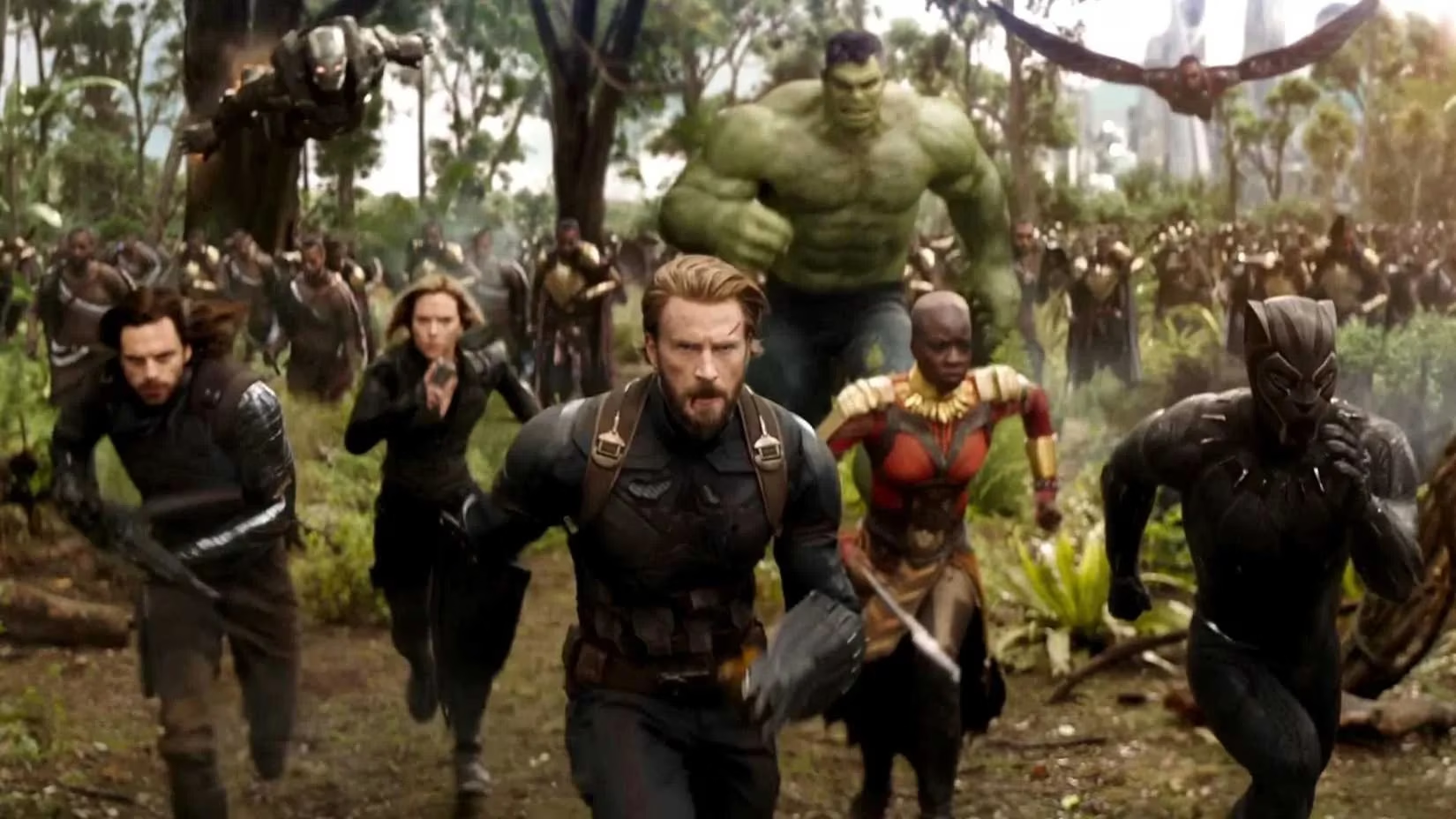
History provides a clear blueprint. For Avengers: Infinity War, the Russo brothers faced an unprecedented challenge: managing audience expectations for a film with a gargantuan cast and a shocking ending. Their solution was ingenious yet simple: they deliberately included fabricated footage in the trailers. The most famous example is the shot of Steve Rogers leading a charge alongside the Hulk in Wakanda—a scene that never occurred in the theatrical release. This clever edit served a vital narrative purpose: it hid the fact that the Hulk, traumatized by his defeat at the hands of Thanos, refused to emerge for the final battle. This deception wasn't malicious; it was protective. It ensured that the visceral impact of Thanos's snap and the subsequent dusting of heroes remained a genuine, theater-shaking surprise. The Russos proved that in an age of relentless spoilers, strategic misdirection in marketing could preserve the magic of the cinematic experience.
Fast forward to the present, and the patterns emerging around Avengers: Doomsday feel strikingly similar. The marketing has been deliberately paced and cryptic, a necessity given the film's presumed multiversal narrative that promises to unite dozens of heroes. Two official teaser trailers have been released, each focusing on a founding Avenger and their newfound familial stakes.
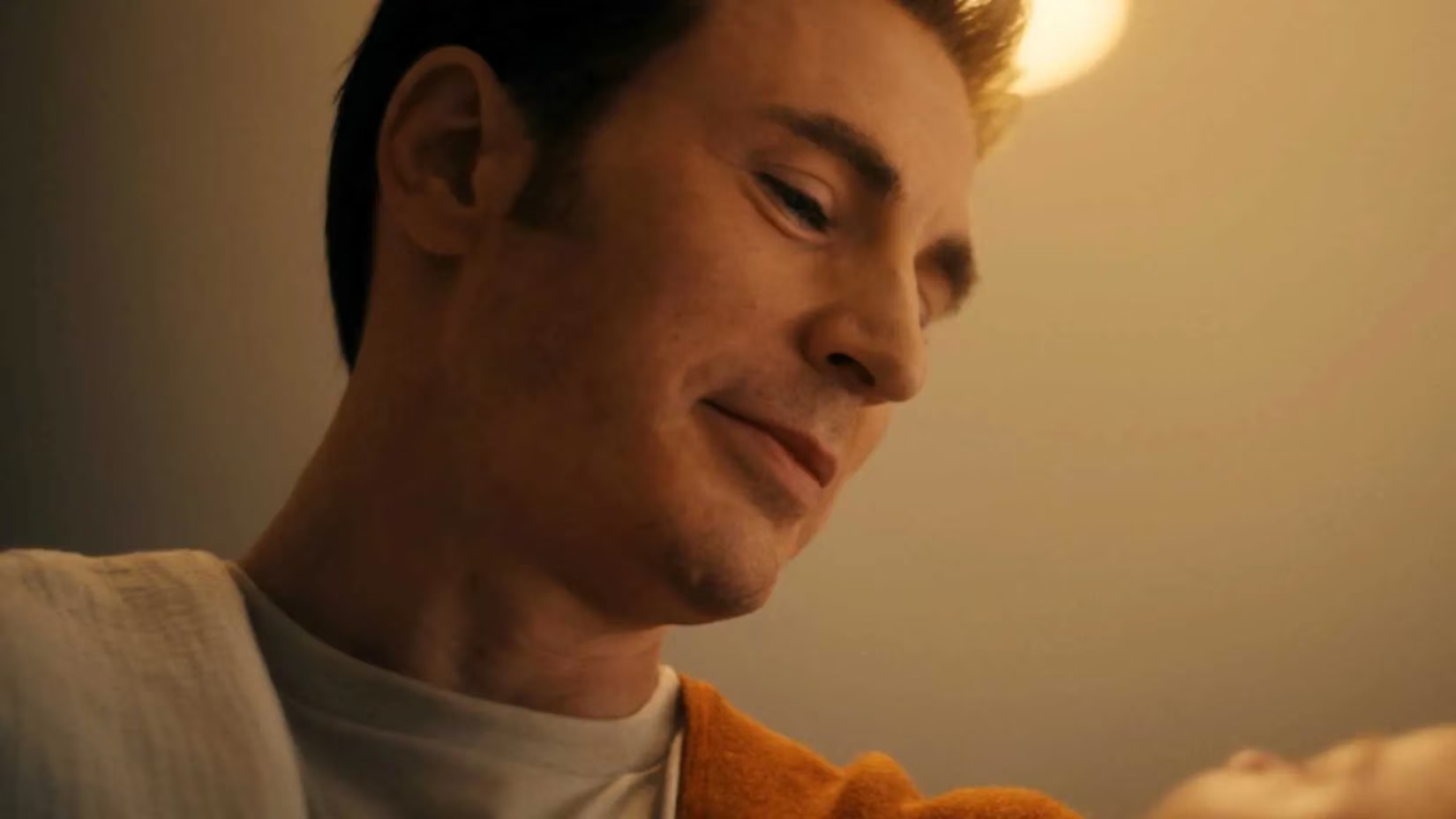
First, we saw Steve Rogers, now presumably living a life with Peggy Carter, gazing solemnly at his young son. Then, Thor appeared, his adopted daughter Love by his side, as he recited a desperate prayer to the gods of the cosmos—a prayer prompted by the looming threat of Victor Von Doom. These trailers are masterclasses in tone-setting. They establish emotional weight, illustrate what these heroes have to lose, and elevate Doom to a threat so monumental he can shake a god's faith. Yet, they reveal almost nothing concrete about the plot. The structural parallels to the Infinity War campaign are hard to ignore:
-
Emotional Focus Over Plot: Both campaigns used early footage to establish stakes (family for Doomsday, a united front for Infinity War) rather than story beats.
-
Controlled Secrecy: With the plot still under wraps a year from release, the incentive to use placeholder or misleading footage is incredibly high.
-
Directorial M.O.: The Russos have a proven track record of valuing final-act surprise above trailer accuracy.
This leads to a compelling theory: the poignant scenes of Steve and Thor with their children may have been shot specifically for the teasers. They could be composite edits, out-of-context moments from larger scenes, or even complete fabrications designed to sell an emotional premise without spoiling the actual narrative journey. The rumor of a secret fifth trailer floating in the ether only deepens the mystery and suggests multiple layers of marketing are at play.
Why would they do this again? The answer is scale. Avengers: Doomsday is positioned as the biggest superhero event since Endgame. The anticipation is astronomical, and the internet's theory-crafting engine is more powerful than ever. In this environment, traditional trailers risk giving away too much. By using these tonal, potentially misleading teasers, Marvel and the Russos can:
-
Generate massive discussion and hype.
-
Protect the film's intricate, multiversal plot twists.
-
Ensure that the actual story beats, particularly the final act, deliver an unforgettable shock to audiences in December 2026.
For fans, this shouldn't feel like a betrayal. Instead, it's a promise. The Russo brothers' trailer tricks are not about duping the audience but about preserving the raw, unspoiled experience of watching a monumental story unfold on the big screen. The teasers for Avengers: Doomsday are less a map of the film's plot and more a mood board for its stakes. They tell us why the heroes will fight, not how they will win—or what they might lose along the way. As the release date draws closer, one should view every new piece of footage with a healthy dose of skepticism, remembering the lesson of the Hulk in Wakanda: in the Russo brothers' MCU, not everything you see in a trailer is what it seems.
| Film | Deceptive Trailer Tactic | Purpose |
|---|---|---|
| Avengers: Infinity War (2018) | Fake Hulk charge scene; edited sequences | Hide Hulk's arc & protect the Snap's surprise |
| Avengers: Doomsday (2026) | Potential fabricated family scenes; tonal misdirection | Protect multiversal plot & final act stakes |
The stage is set for another grand illusion. As we analyze every frame and whisper about secret trailers, the real magic is being guarded behind the scenes. The conversation has begun, but the true story remains Marvel's most closely kept secret. 🎬✨