As 2026 unfolds, Marvel Comics stands at a crossroads. The passionate fanbase, the lifeblood of this iconic universe, looks toward the new year with a mix of hope and concern. They adore these characters and the worlds they inhabit, but they also see areas where the publisher's current trajectory could be improved for the long-term health of the medium. This dialogue isn't about criticism for its own sake; it's a conversation born from a deep-seated affection for Marvel's legacy and a genuine desire to see it thrive. After all, readers, writers, and artists ultimately share the same goal: to experience and create compelling, memorable stories that resonate. Understanding both sides of this creative coin—the commercial pressures and the fan expectations—is key to navigating the future.
1. Streamline the Overwhelming Release Schedule
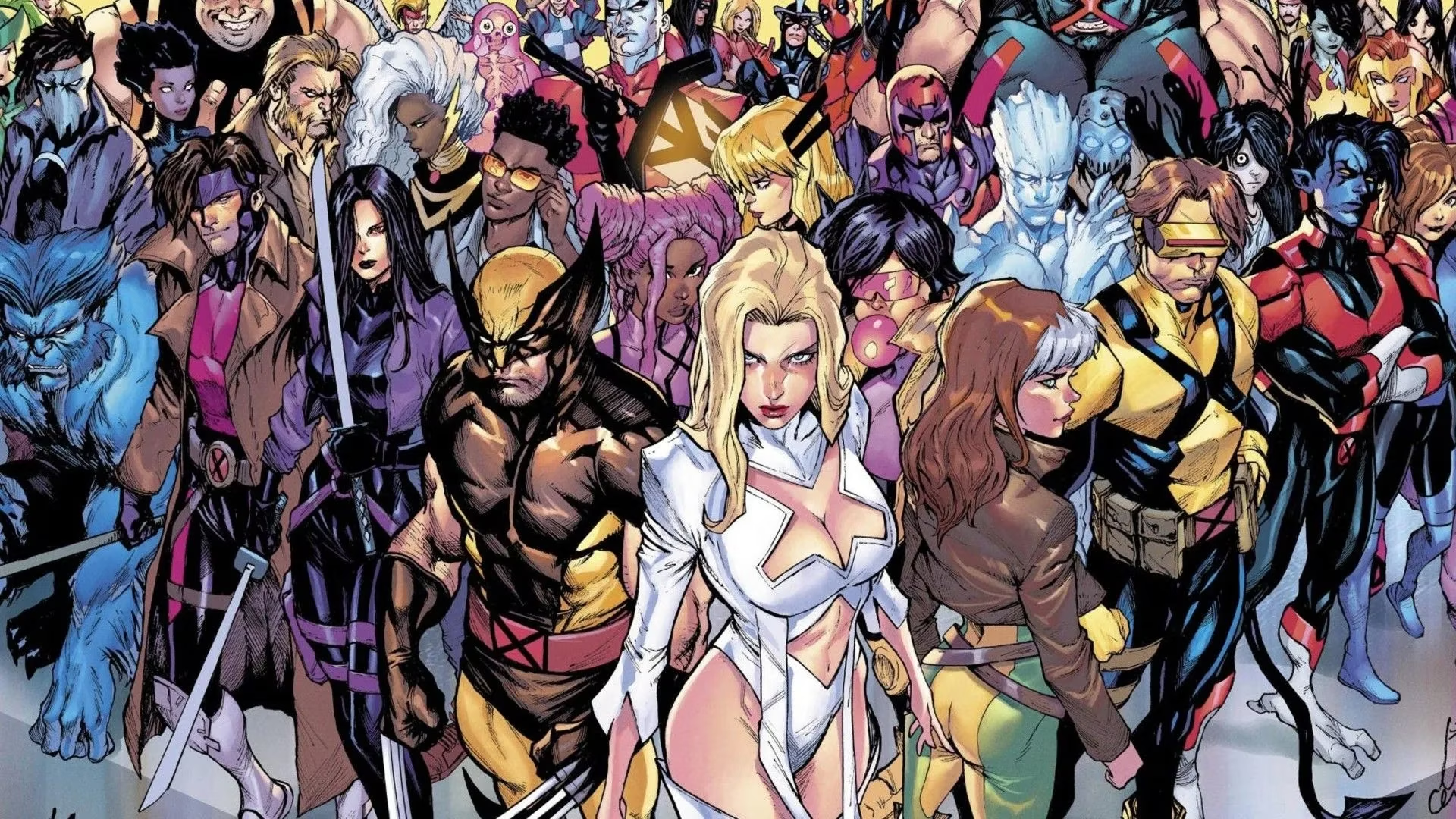
One of the most immediate concerns for readers in 2026 is the sheer volume of titles hitting the shelves each month. A glance at the January 2026 solicitations reveals a startling fact: nearly two dozen books are dedicated solely to the X-Men and Spider-Man families, including those in the Ultimate Universe. When you factor out non-Marvel Cinematic Universe adjacent titles, these two franchises can constitute more than half of a month's releases. This creates a significant barrier to entry and engagement.
For the average fan, keeping up with the sprawling narratives of Marvel's mutants or the web-slingers becomes a prohibitively expensive endeavor, potentially costing upwards of $50 monthly just for those core families. This saturation doesn't just strain wallets; it risks diluting the impact of each individual series. Fantastic stories and breathtaking artwork can get lost in the deluge, leading to weaker sales not due to quality, but simple market oversaturation and consumer fatigue. A more curated, focused publishing strategy would help each title stand out and give readers a manageable, rewarding path to follow their favorite heroes.
2. Let Characters Grow and Evolve (We're Looking at You, Spider-Man)
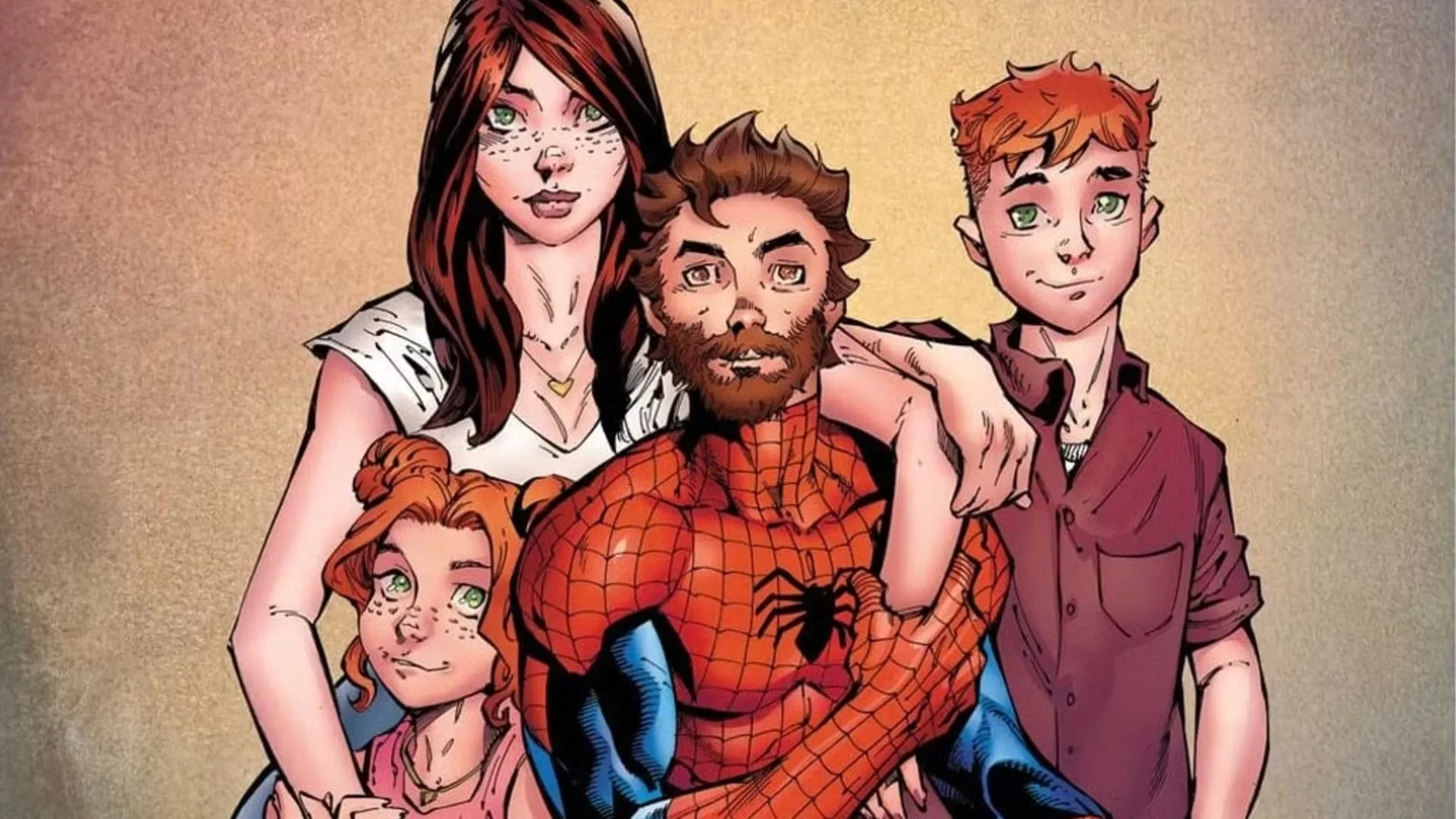
2026 marks a poignant anniversary: it will be 19 years since the controversial One More Day storyline, which erased the marriage of Peter Parker and Mary Jane Watson. Fan sentiment on this decision has remained steadfastly negative, and the passage of time has only cemented the view that it was a narrative misstep. The success and critical acclaim of series like Ultimate Spider-Man, which explores a married Peter with children, demonstrates a clear audience appetite for this mature character progression.
The persistent editorial notion that Spider-Man "works best when he's single and sad" feels increasingly outdated. Readers connect with Peter Parker's human struggles—juggling rent, relationships, and responsibility. Parenthood, a nearly universal experience, offers a rich, untapped vein of storytelling potential. Imagine the drama and humor of Spider-Man racing to thwart a classic villain like the Rhino, all while trying not to miss his child's pivotal little league game. These are the grounded, relatable stakes that made the character a legend. It's time to let Peter Parker grow up and address a decades-old fan grievance by restoring his marriage and exploring the compelling challenges of a heroic family man.
3. Embrace Bold, New Character Creations
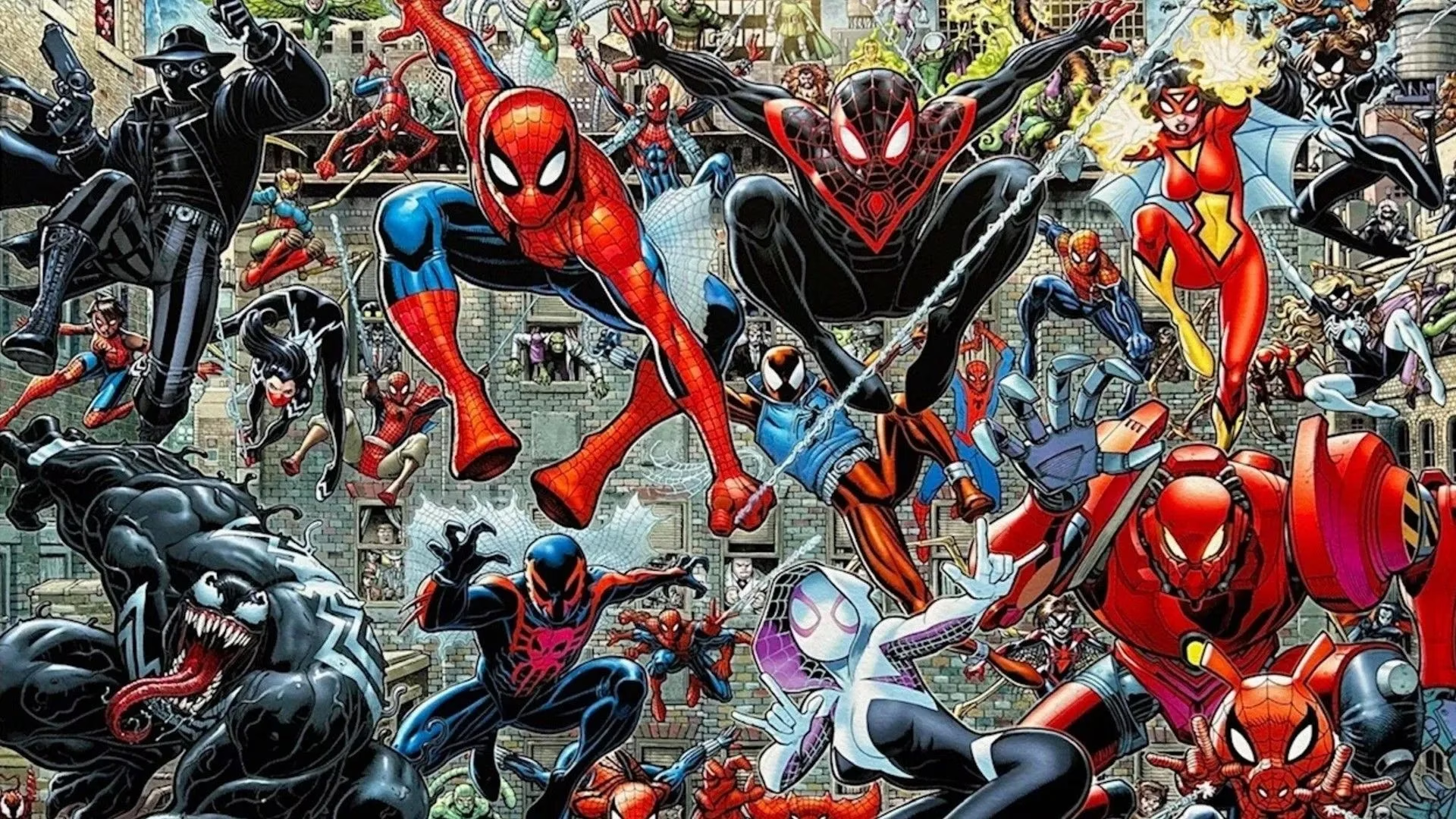
There's an understandable safety in legacy characters. Names like Spider-Man, Iron Man, and Captain America carry immense brand power and guarantee a baseline level of reader interest. However, the over-reliance on derivative heroes—where it seems half the universe has "Spider" or "Iron" in their codename—makes the entire narrative world feel smaller and less diverse. The excitement of discovering a truly unique protagonist fades when the landscape is crowded with variations on a familiar theme.
Marvel's history is built on creative gambles. Iconic, beloved figures like Rocket Raccoon 🦝 and Deadpool ❤️🔥 were once unconventional, high-risk concepts that paid off enormously. For every breakout success, there might be a forgotten experiment (yes, Hypno-Hustler, we see you). But that's the nature of innovation. The publisher should champion more original heroes with distinct powers, backgrounds, and perspectives. This not only expands the universe in exciting ways but also builds the classic characters of tomorrow. It requires patience and courage, but the potential long-term reward is a richer, more vibrant Marvel cosmos.
4. Rethink the Constant, Universe-Shattering Events
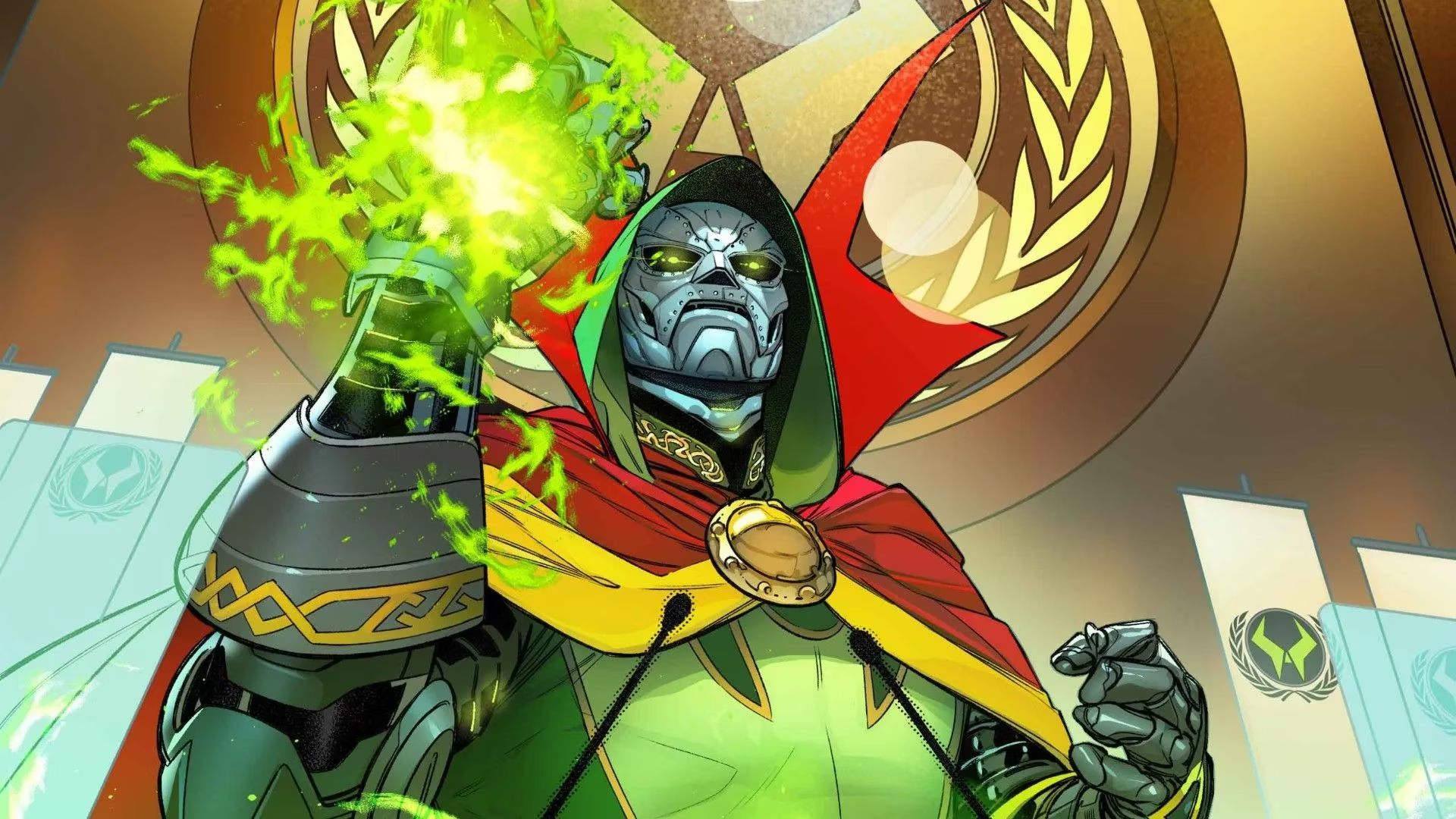
Crossover events are a storied tradition in comics, but 2026 finds the cycle at a breaking point. The current model often feels like a non-stop conveyor belt: one universe-altering crisis ends, only for the next "status-quo-shattering" event to begin its rollout the following week. When every story promises to change everything forever, the stakes become meaningless, and readers experience profound event fatigue.
This isn't a call to end big crossovers. Instead, it's a plea for moderation and variety. Consider the following comparison of event styles:
| Current Trend | Proposed Alternative |
|---|---|
| Year-long, 70+ issue sagas | Shorter, focused storylines (3-4 months) |
| Goal: Permanently rewrite reality | Goal: Tell a great team-up story |
| Mandatory reading for all series | Contained, optional for non-core titles |
| Exhausting for readers & creators | Exciting, digestible bursts of action |
Epics like Acts of Vengeance or Atlantis Attacks from years past succeeded by bringing heroes together for a specific threat without needing to reboot continuity. They were fun, impactful, and then they ended, allowing characters to return to their own books. Marvel in 2026 could benefit greatly from lowering the temperature and remembering that not every event needs to be an existential, multi-year commitment.
5. End the Relentless Cycle of #1 Issues
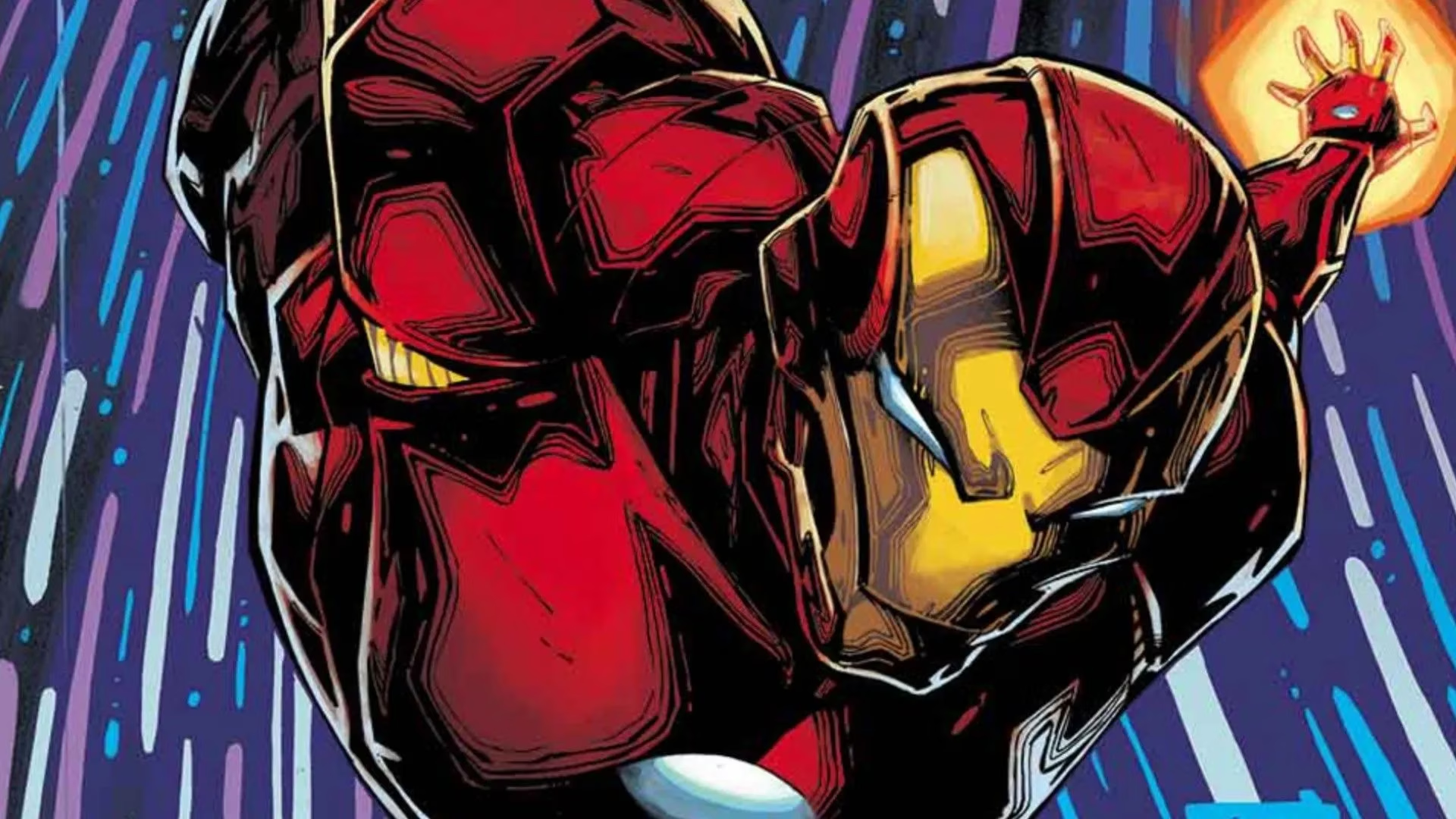
There was a time when a new #1 issue signified a major, exciting new direction for a character—a true jumping-on point. In 2026, it has become a routine marketing tactic, losing all significance. For instance, the all-new Iron Man #1 scheduled for January 2026 will be the fifth series restart for Tony Stark in this decade alone. This pattern of constant relaunches creates several problems:
-
Confusion for New Readers: The simple act of figuring out where to start a character's journey now requires a guidebook. What's the difference between Invincible Iron Man Vol. 3 #18 and Iron Man Vol. 7 #1? For a newcomer, it's an impenetrable maze.
-
Diminishing Returns: While a new #1 generates a short-term sales spike, that boost shrinks with each subsequent relaunch. It's a strategy that burns out its own effectiveness.
-
Narrative Disruption: It interrupts the natural flow of long-form storytelling, forcing creative teams to write for trade collections and fresh starts rather than organic, issue-to-issue development.
For long-time collectors and fans, it cheapens the special nature of a first issue. The publisher should place greater value on sustained, high-quality runs with consistent numbering, building legacy and loyalty rather than chasing a fleeting sales high with a new #1 sticker every 12-18 months.
Ultimately, the resolutions for Marvel Comics in 2026 revolve around trust—trusting characters to evolve, trusting new ideas to find an audience, and trusting readers to stay committed without constant gimmicks. By focusing on story density over title quantity, character progression over permanent stagnation, and creative innovation over safe repetition, Marvel can ensure its stories remain vital and beloved for another generation. The fans are ready for this next chapter; they just hope the publisher is too. 🦸♂️📚