The Marvel Cinematic Universe is still moving forward in 2026, and the hype around Spider-Man: Brand New Day and Avengers: Doomsday has been building for months. Fans are constantly comparing the movies to the comics, but sometimes those comparisons reveal just how different the MCU really is from the source material. One of the clearest examples is the idea of a Marvel trinity.
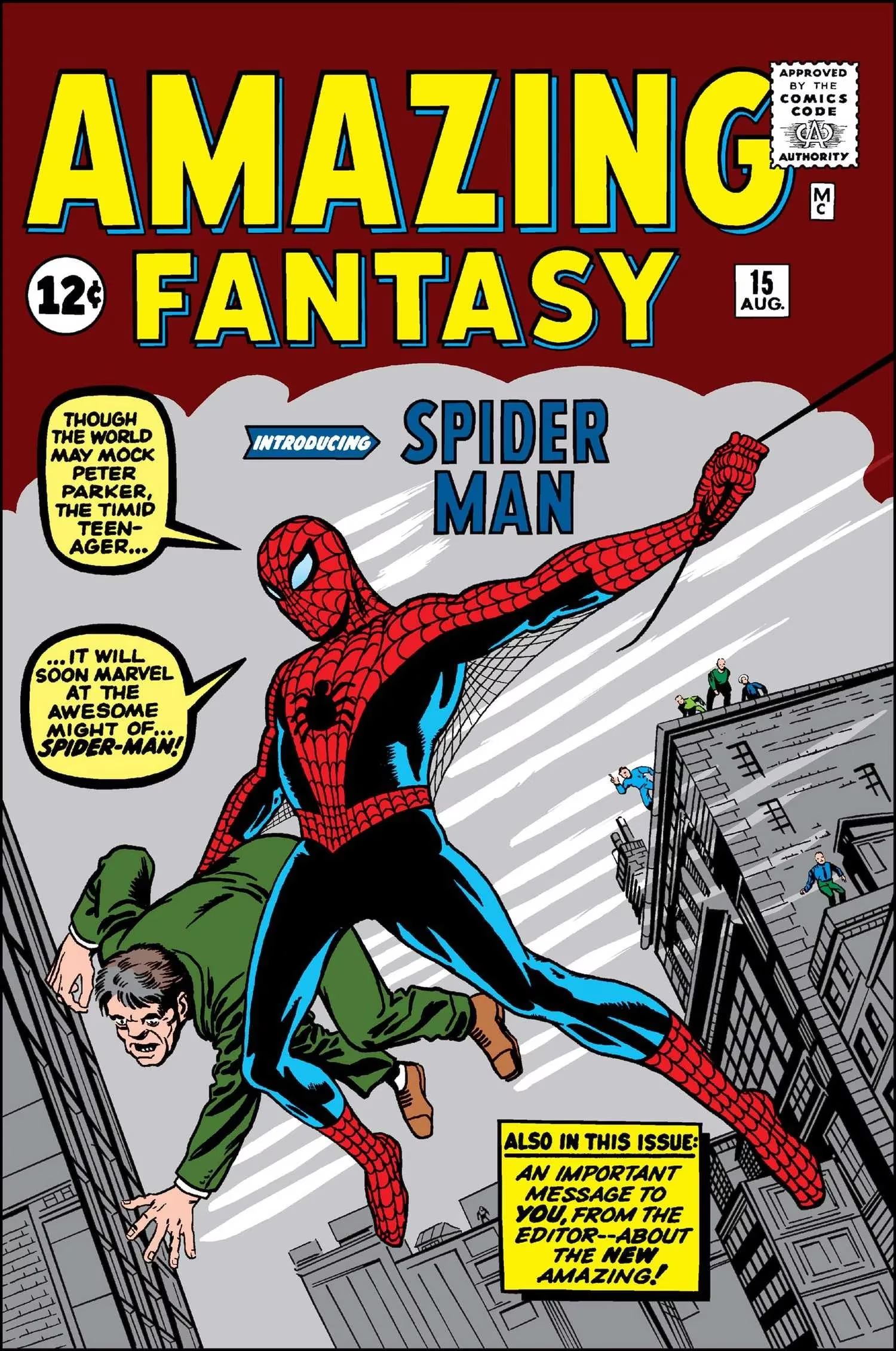
In the comics, there is a long-running argument about which three characters form Marvel's holy trinity. Many people point to Spider-Man, Wolverine, and the Hulk as the most popular and recurring options. There is always some reasonable debate, but those three have dominated comics, games, merchandise, and animation for decades.
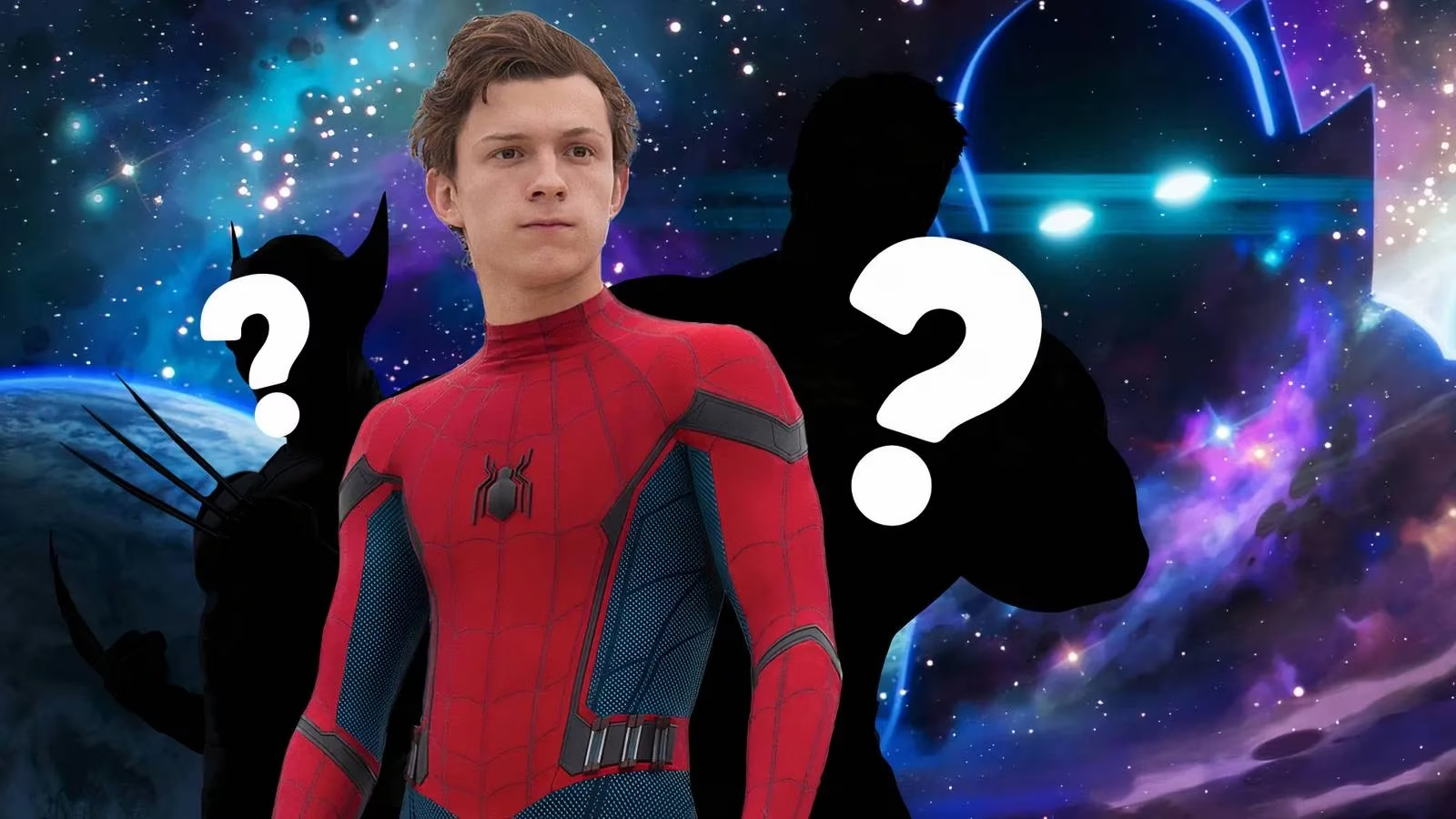
Spider-Man missed much of the MCU's strongest period because Sony controlled the character's film rights. Once Peter Parker showed up in Captain America: Civil War, however, he quickly became a central figure. His solo trilogy ended with Spider-Man: No Way Home, and now excitement around Spider-Man: Brand New Day has made him feel more important than ever. In the comics, Spider-Man's place in the trinity is basically unquestionable. In the MCU, he might sit somewhere around third, fourth, or even fifth place depending on how fans calculate screen time, box office, and emotional impact.
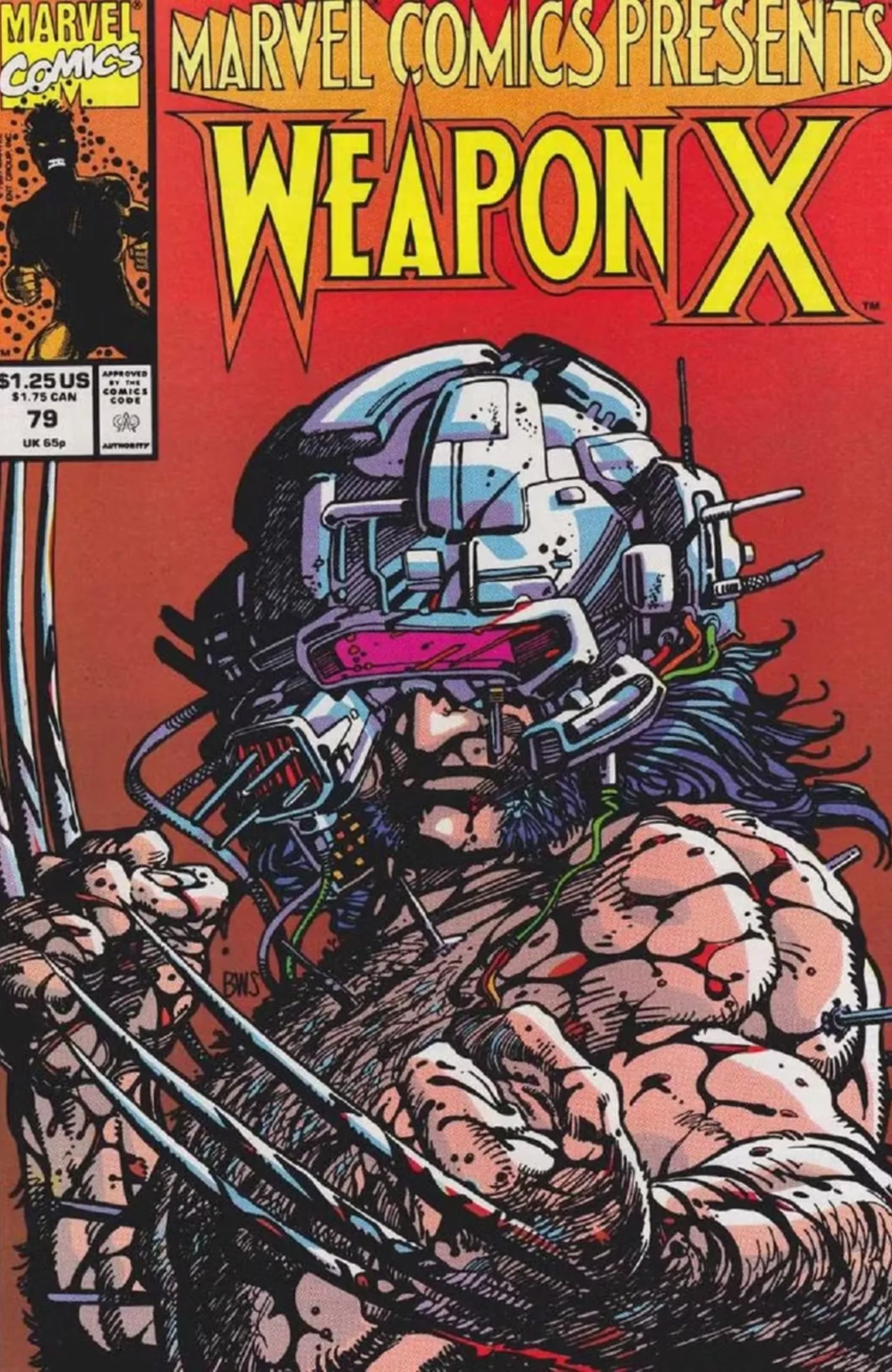
Wolverine is another comics giant who has only recently entered the MCU in a meaningful way. Deadpool & Wolverine gave Hugh Jackman's Logan a proper MCU adventure, and there are strong rumors that Wolverine may appear in Avengers: Doomsday. It would make sense. He is easily the most popular X-Men character in comic book media. Fox's old X-Men franchise leaned on Wolverine heavily, sometimes at the expense of other mutants. The MCU, by contrast, is only now beginning to bring Charles Xavier's world into the fold.
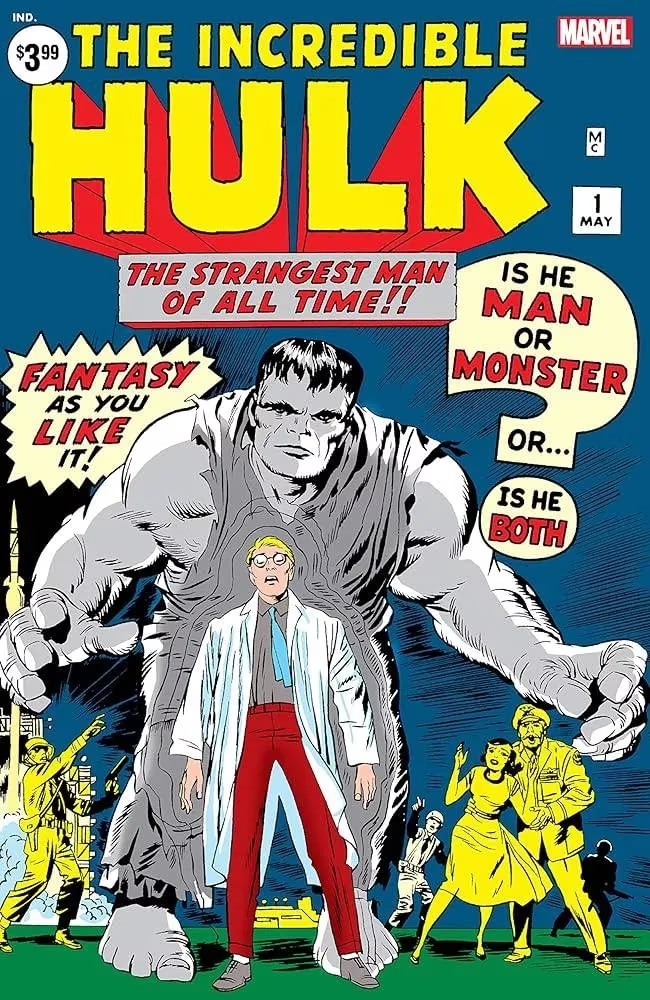
Hulk faces a complicated rights situation of his own. Universal Pictures has held distribution rights for Hulk solo movies, which is why Bruce Banner never got another standalone film after The Incredible Hulk. Unlike Spider-Man, no long-term deal ever truly opened the door for a fresh Hulk solo project. Some fans even argue that Ghost Rider could replace Hulk in the comics trinity when looking purely at popularity and marketability. That debate is older than the MCU itself, but it remains an interesting piece of fandom history.
Meanwhile, the MCU's trinity has been obvious for years. Iron Man, Captain America, and Thor were the only characters to receive solo films before The Avengers. That created a sturdy foundation. The MCU has mostly molded itself around those three even after Tony Stark's death and Steve Rogers' retirement. There was a brief period after Avengers: Endgame when Marvel tried to expand aggressively with streaming shows like Hawkeye, Moon Knight, Ms. Marvel, and She-Hulk: Attorney at Law. Avengers: Doomsday, though, has made it clear that the franchise is moving back toward its safest, most successful iconography.
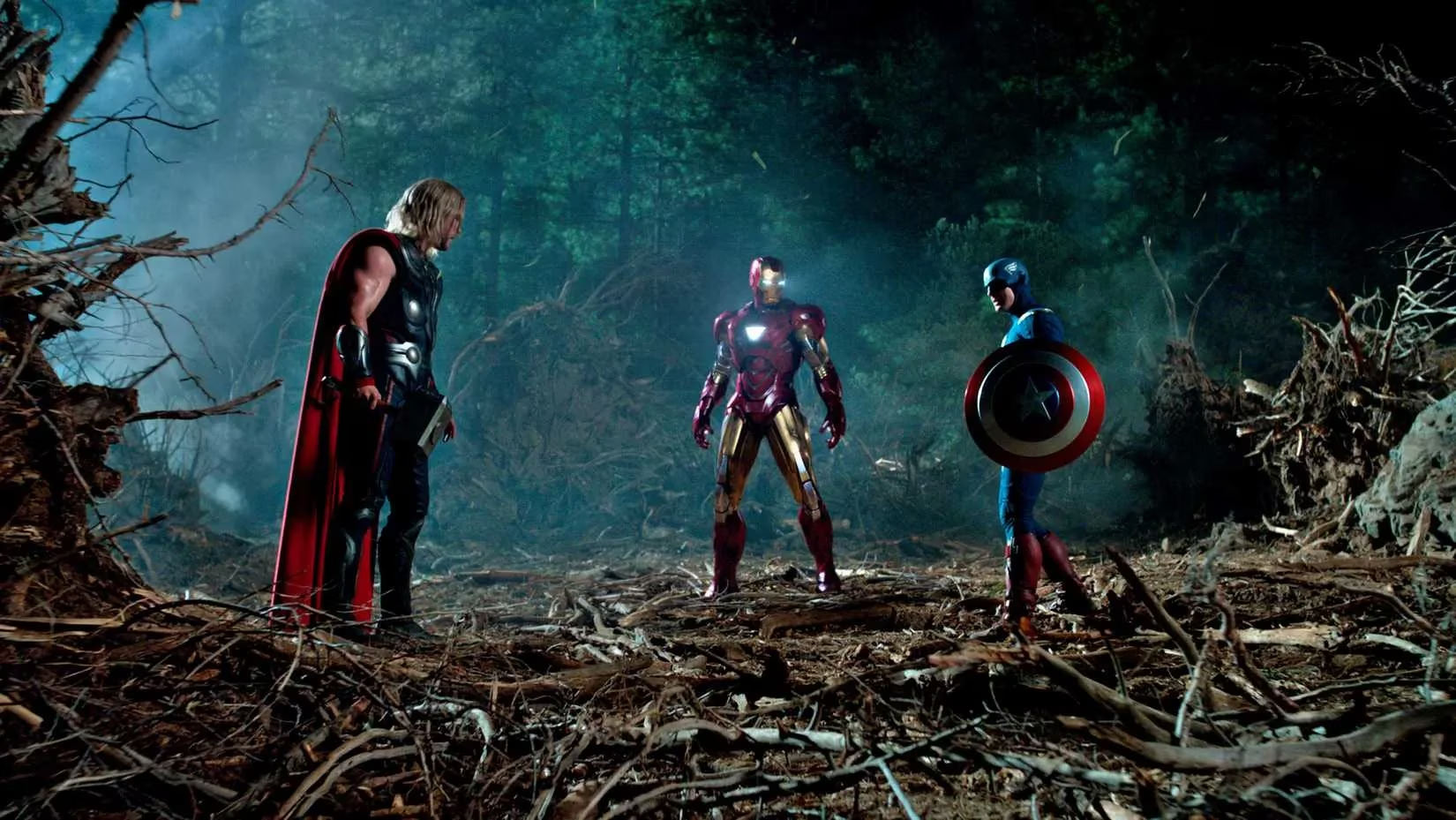
That return to the core is not exactly subtle. Robert Downey Jr. returning to the MCU as Doctor Doom was announced at San Diego Comic-Con 2024. Chris Evans and Chris Hemsworth have also been involved in promotional material or leaked teasers for Avengers: Doomsday. From a cynical perspective, RDJ's return can look like a brilliant but naked marketing strategy. From a fan perspective, it is also hard to ignore how much emotional weight those three actors carry. Downey Jr. stopped being just Iron Man a long time ago. He became a mythical, untouchable figure in the MCU's story, and Evans and Hemsworth are not far behind him.
The difference between the two trinities tells fans a lot about how Marvel operates. The comics trinity is built on longevity, guest appearances, merchandising, and a kind of cross-media ubiquity. The MCU trinity is built on first-mover advantage, audience attachment, and the specific chemistry of three actors who defined a cinematic universe. Spider-Man may eventually become the center of the MCU, especially if Brand New Day succeeds, but he still belongs to a different trinity in the comics.
A quick comparison makes the split clearer:
| Universe | Core Trinity | Key Reason |
|---|---|---|
| Marvel Comics | Spider-Man, Wolverine, Hulk | Decades of popularity, merchandise, and recurring comic appearances |
| MCU | Iron Man, Captain America, Thor | Solo movies before The Avengers and long-term audience attachment |
None of this means one trinity is better than the other. It simply shows that the MCU has always been its own alternate universe. It borrows freely, but it also reshapes characters based on rights deals, actor availability, and what the audience responds to most strongly. By 2026, the MCU is still leaning on that foundational Iron Man-Captain America-Thor energy, even as new characters try to break through. Spider-Man, Wolverine, and Hulk are legends in the comics. The MCU, however, built its house on a different set of heroes.