The cinematic calendar of 2026 arrives with a rush of titles that promise to redefine the year for movie lovers. From long‑awaited sequels that resurrect beloved characters to bold reboots of classic fantasy worlds and original thrillers from visionary directors, the slate crackles with creative energy. Studios are betting big on franchise revivals, star‑driven spectacles, and the return of horror maestros, ensuring that every month will deliver something worth leaving the house for. What follows is a curated journey through twenty of the most exciting productions, blending nostalgia, innovation, and pure cinematic adrenaline.
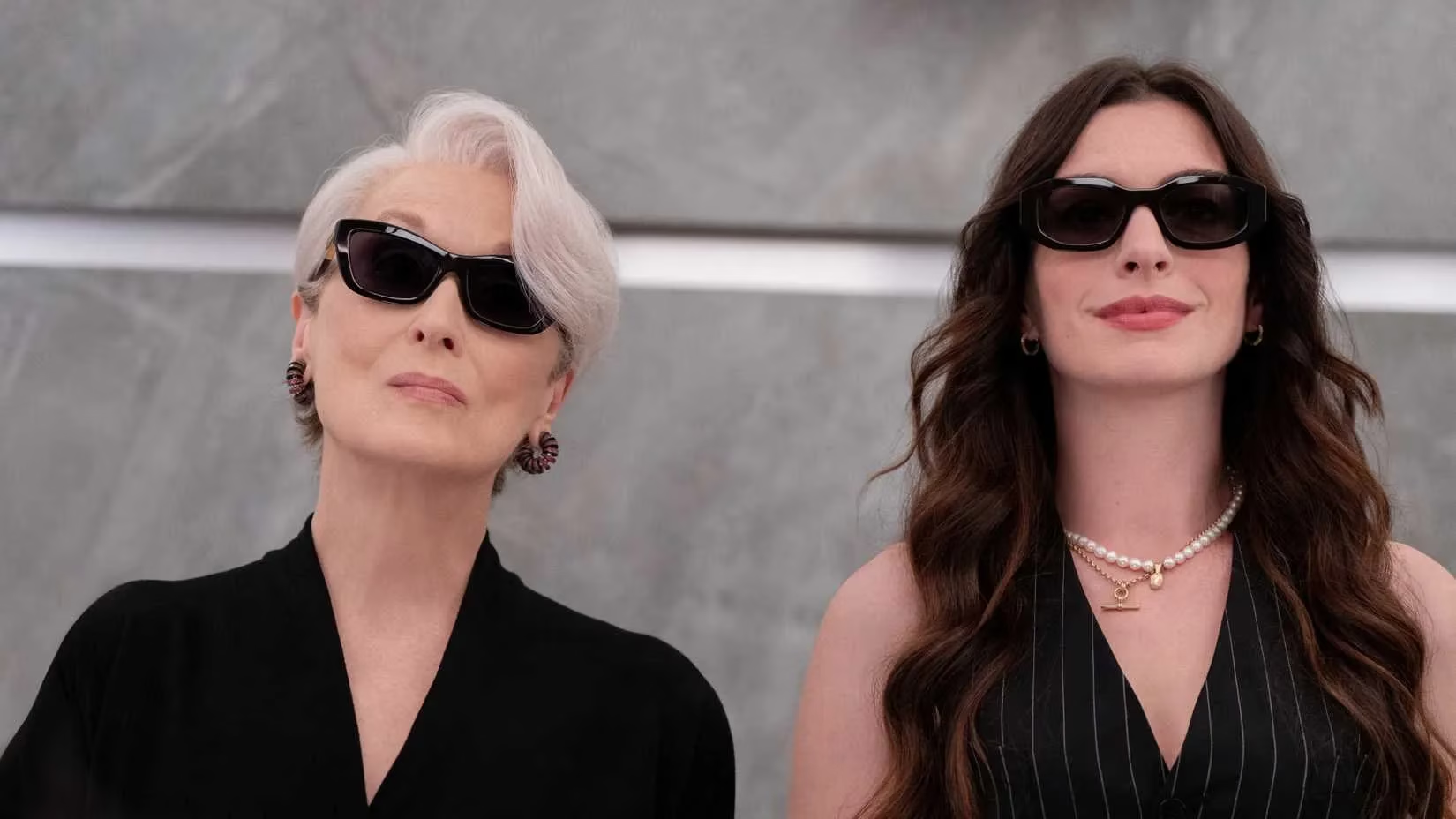
Two decades after the original stormed into pop culture, The Devil Wears Prada 2 finally brings Miranda Priestly and Andy Sachs back to the big screen. Meryl Streep, Anne Hathaway, Emily Blunt, and Stanley Tucci reprise their iconic roles, while a fresh wave of talent—Kenneth Branagh, Simone Ashley, Justin Theroux, and Lucy Liu—broadens the runway. David Frankel returns to direct from Aline Brosh McKenna’s script, guaranteeing the same sharp, champagne‑dry tone that made the first film a phenomenon. With a May 1 release date, the sequel is positioned as the unofficial kick‑off to the summer movie season, and expectations are sky‑high for a reunion that feels both nostalgic and fiercely contemporary.
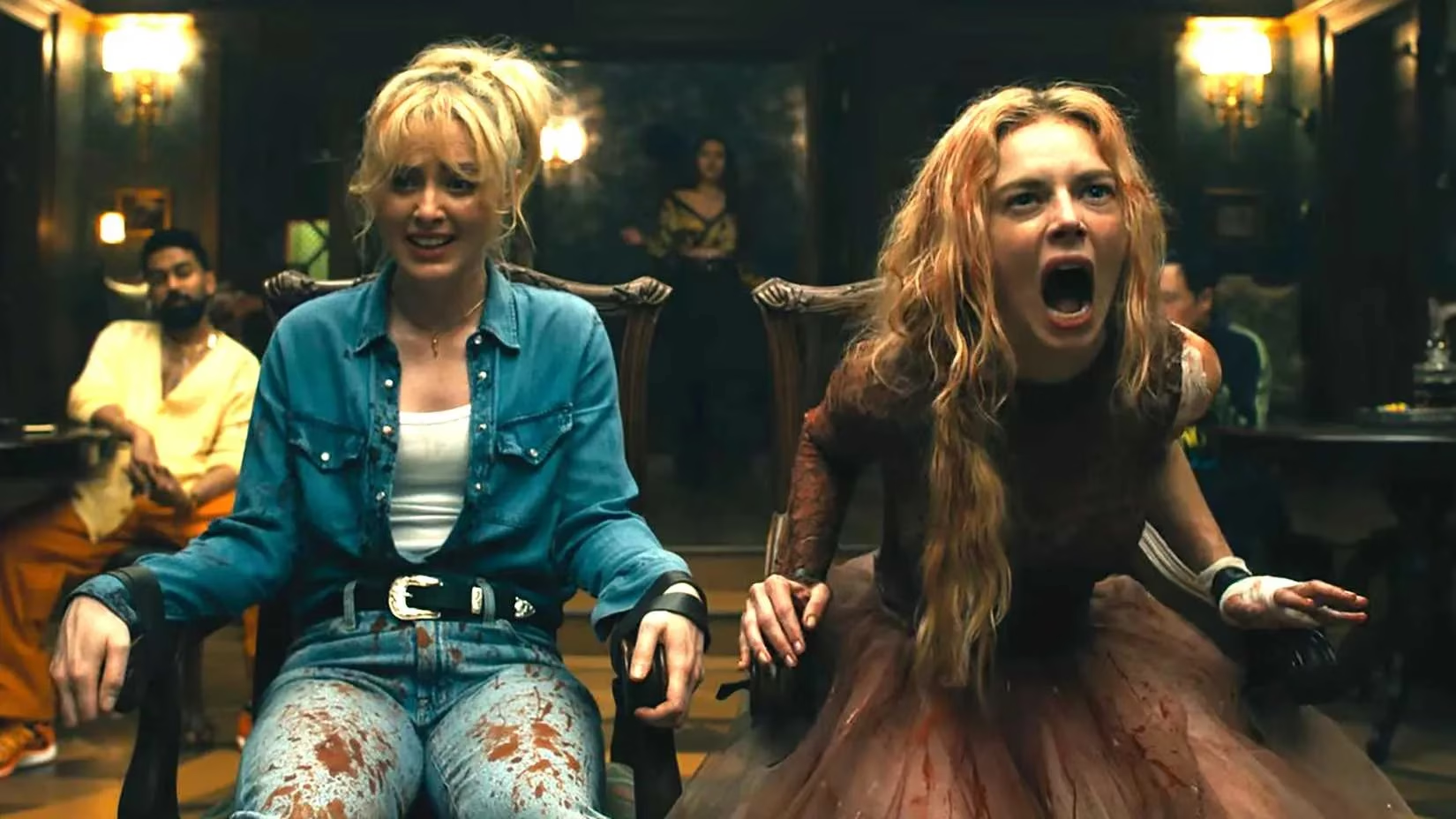
Searchlight Pictures expands one of the most gleefully twisted horror comedies of recent years with Ready or Not 2: Here I Come. Samara Weaving straps on the blood‑soaked wedding dress once more as Grace, and this time she is joined by fellow \u201cScream Queen\u201d Kathryn Newton. The directing trio Radio Silence, fresh off the vampire romp Abigail, return to the cursed board‑game universe with a story that deepens the mythology while delivering the same breakneck mayhem. Set to hit theaters on March 27, the movie promises a violent, witty, and cathartic ride that will cement the franchise as a modern horror staple.
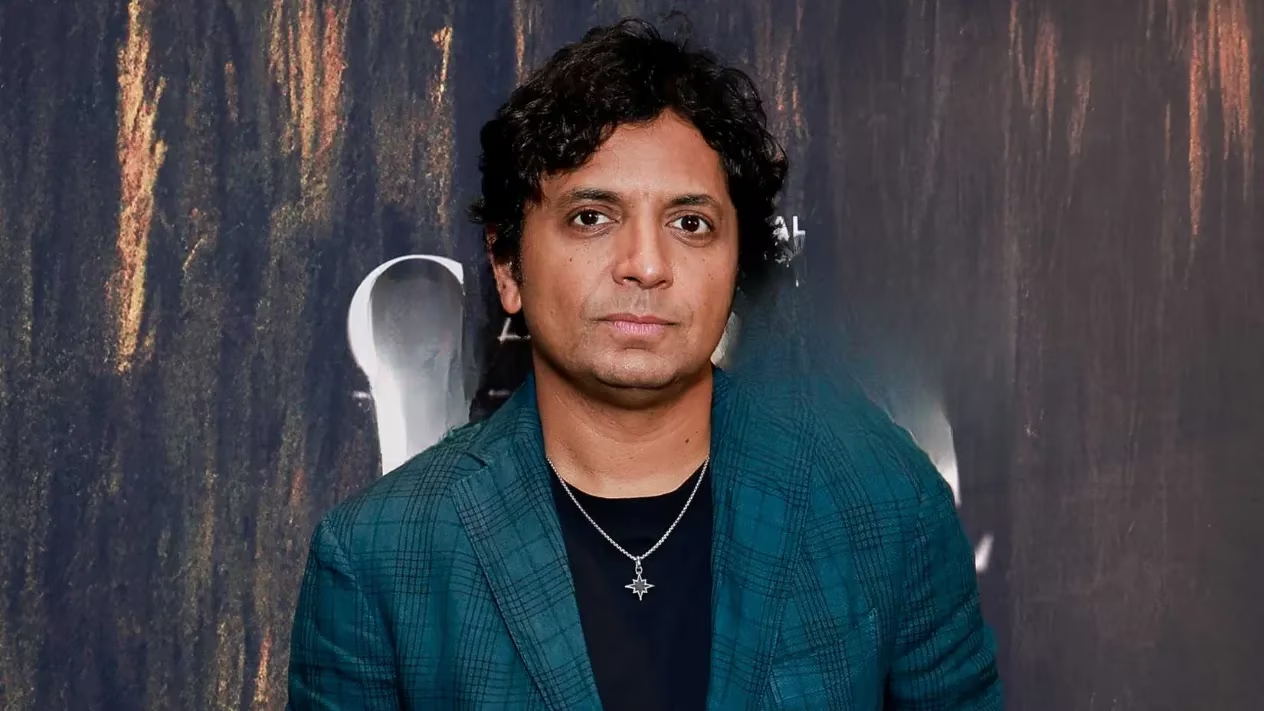
Whenever M. Night Shyamalan steps behind the camera, an event is born. Remain marks his foray into the supernatural romantic thriller, co‑developed from an original story idea with novelist Nicholas Sparks. The pairing already hints at a collision of heartfelt emotion and uncanny unease. Jake Gyllenhaal and Phoebe Dynevor lead a cast that has been largely shielded from public view, amplifying the director’s trademark mystique. Shyamalan, whose Trap was regrettably overlooked, seems poised to reclaim the spotlight. Warner Bros. has slated the film for October 23, and devotees of his intricate puzzle‑box narratives will be lining up on day one.
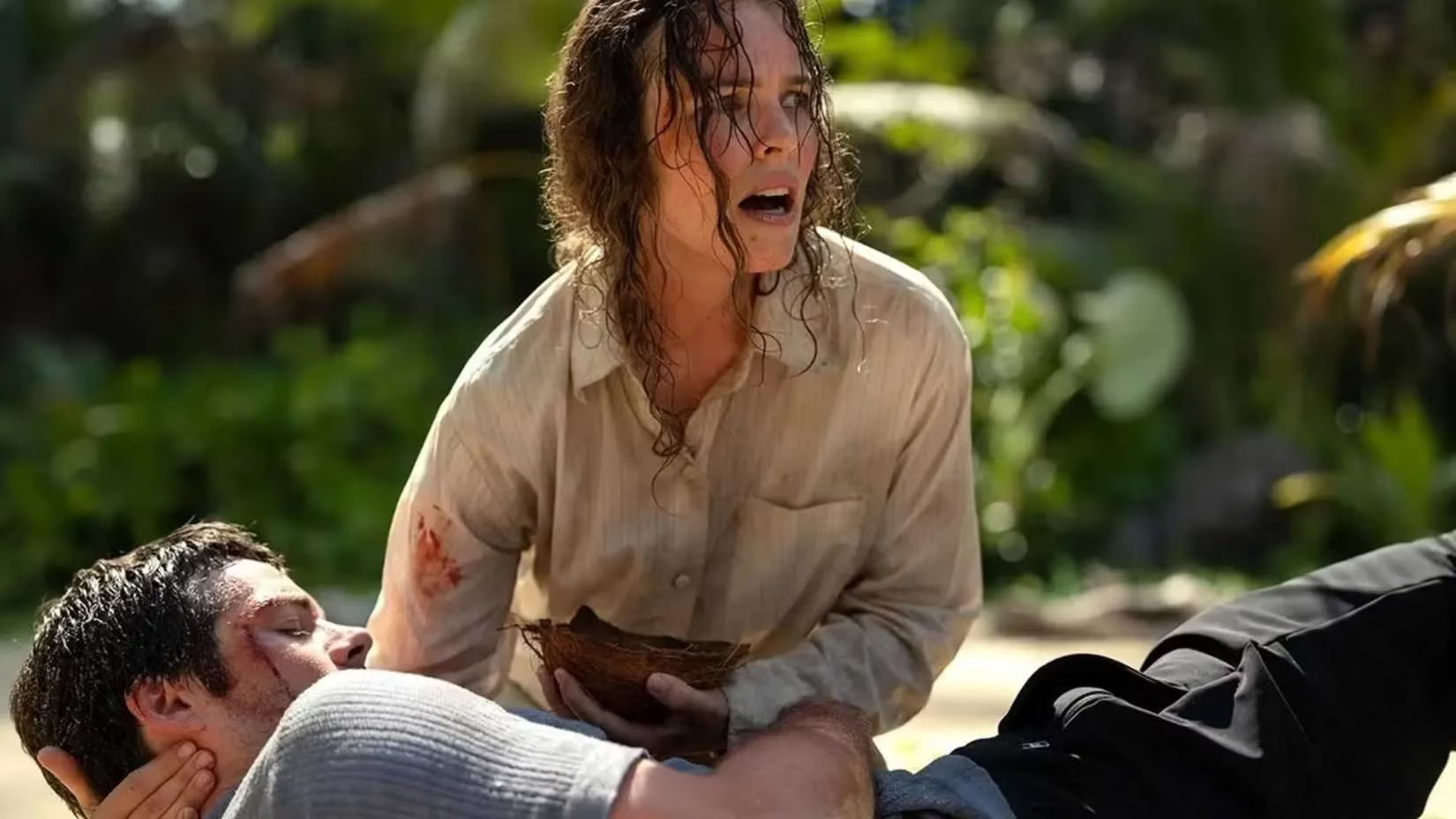
The mere combination of director Sam Raimi and stars Rachel McAdams and Dylan O’Brien makes Send Help irresistible. Raimi’s return to the horror genre bristles with the chaotic energy that defined Evil Dead, transplanted onto a deserted island where two survivors descend into a psychological and physical war for dominance. Early glimpses showcase McAdams and O’Brien hurling themselves into the savagery with ferocious commitment. 20th Century Studios wastes no time, releasing the film on January 30, offering audiences a winter escape into sun‑bleached terror and black comedy.
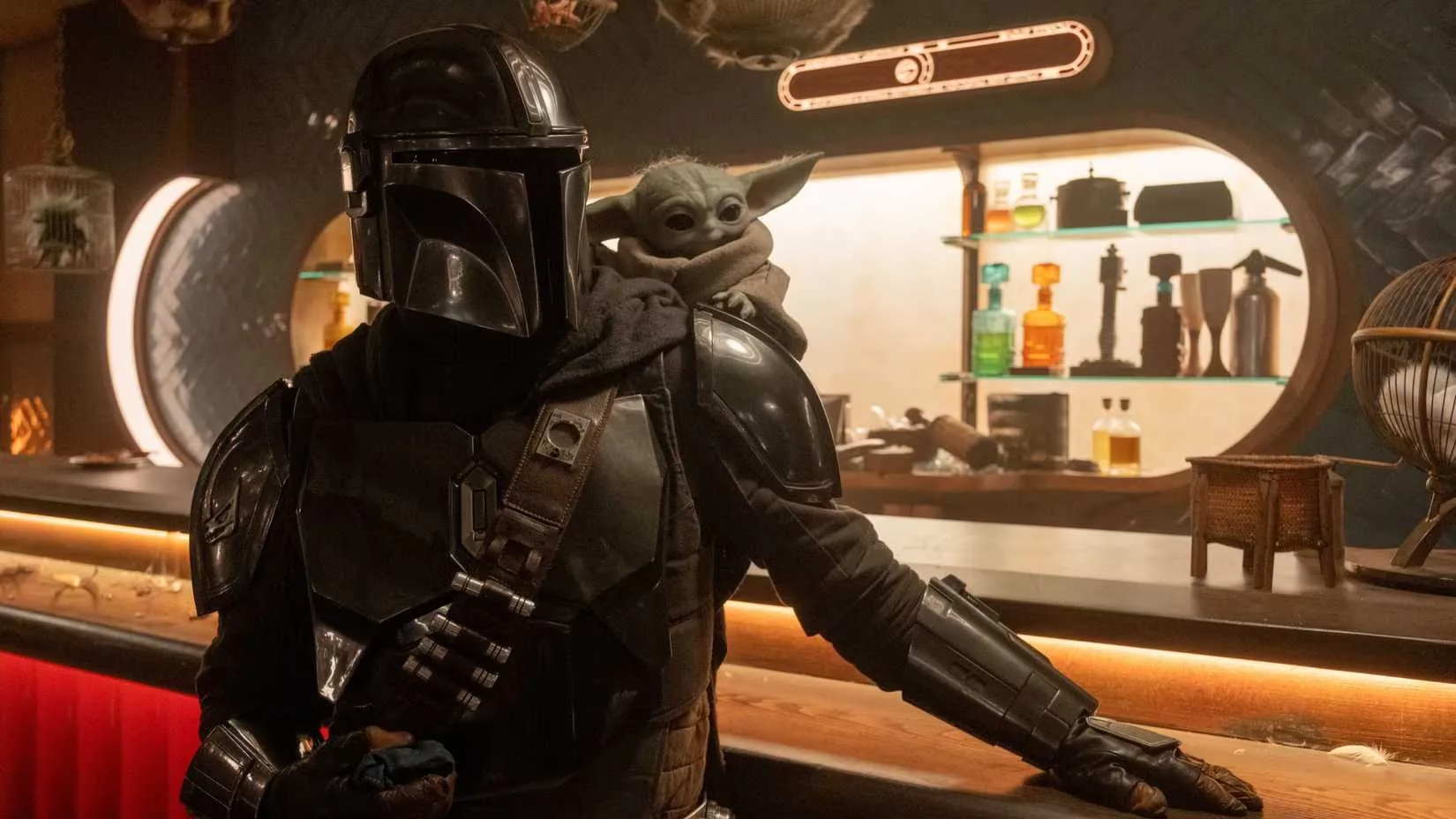
For the first time in seven years, Lucasfilm ushers Star Wars back onto cinema screens with The Mandalorian and Grogu. Jon Favreau, the architect of the Disney+ phenomenon, directs a feature that transforms the small‑screen bounty‑hunting odyssey into a widescreen epic. The story spirals around Din Djarin and the Child as they encounter Rotta the Hutt, forcing them into a fresh corner of the galaxy’s underworld. A premium May 22 release date signals immense confidence; Disney expects this to be the summer’s defining blockbuster, reigniting the franchise’s theatrical legacy with heart and spectacle.
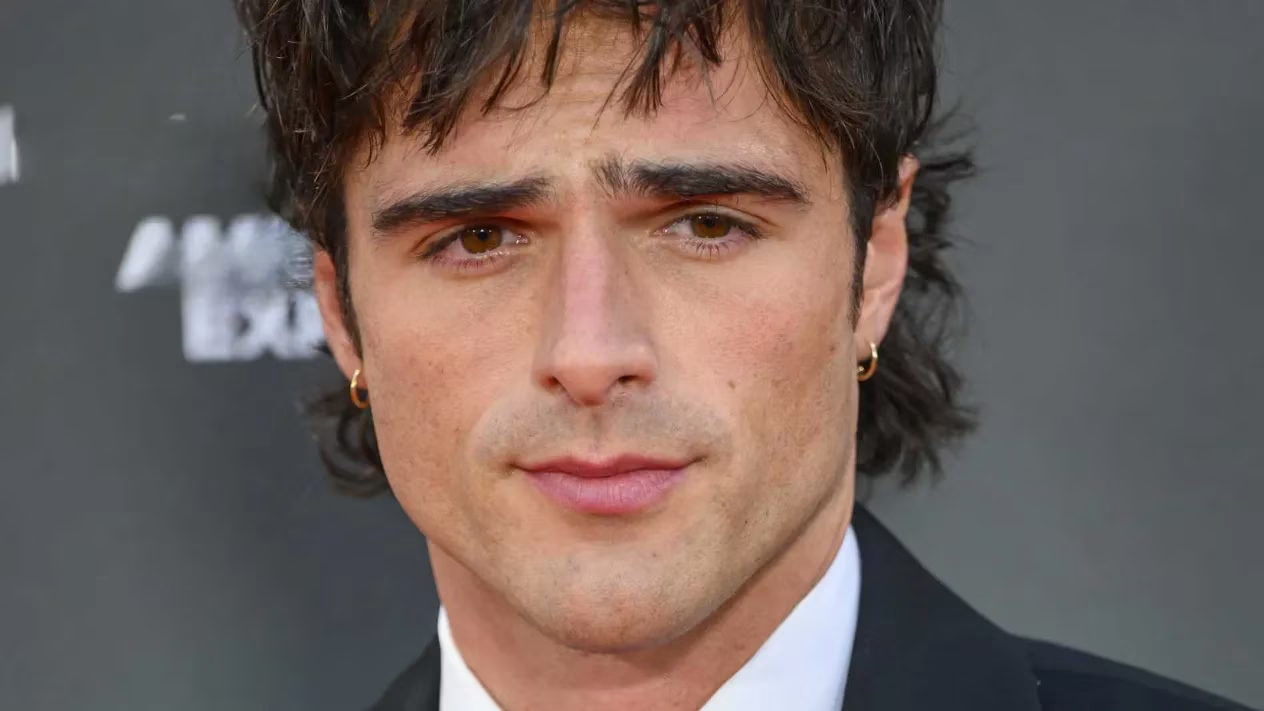
Jacob Elordi’s 2026 is packed with ambition, starting with a central role in Ridley Scott’s The Dog Stars. Based on Peter Heller’s novel, the sci‑fi drama pairs Elordi’s character with Josh Brolin as two men navigating a post‑apocalyptic Colorado stripped bare by a viral outbreak. Margaret Qualley, Guy Pearce, and Benedict Wong flesh out a world that is as visually stark as it is emotionally resonant. Originally slated for spring, 20th Century Studios recently pushed the release to August 28, positioning it as a contemplative, adult‑oriented counterpoint to the summer’s louder fare.
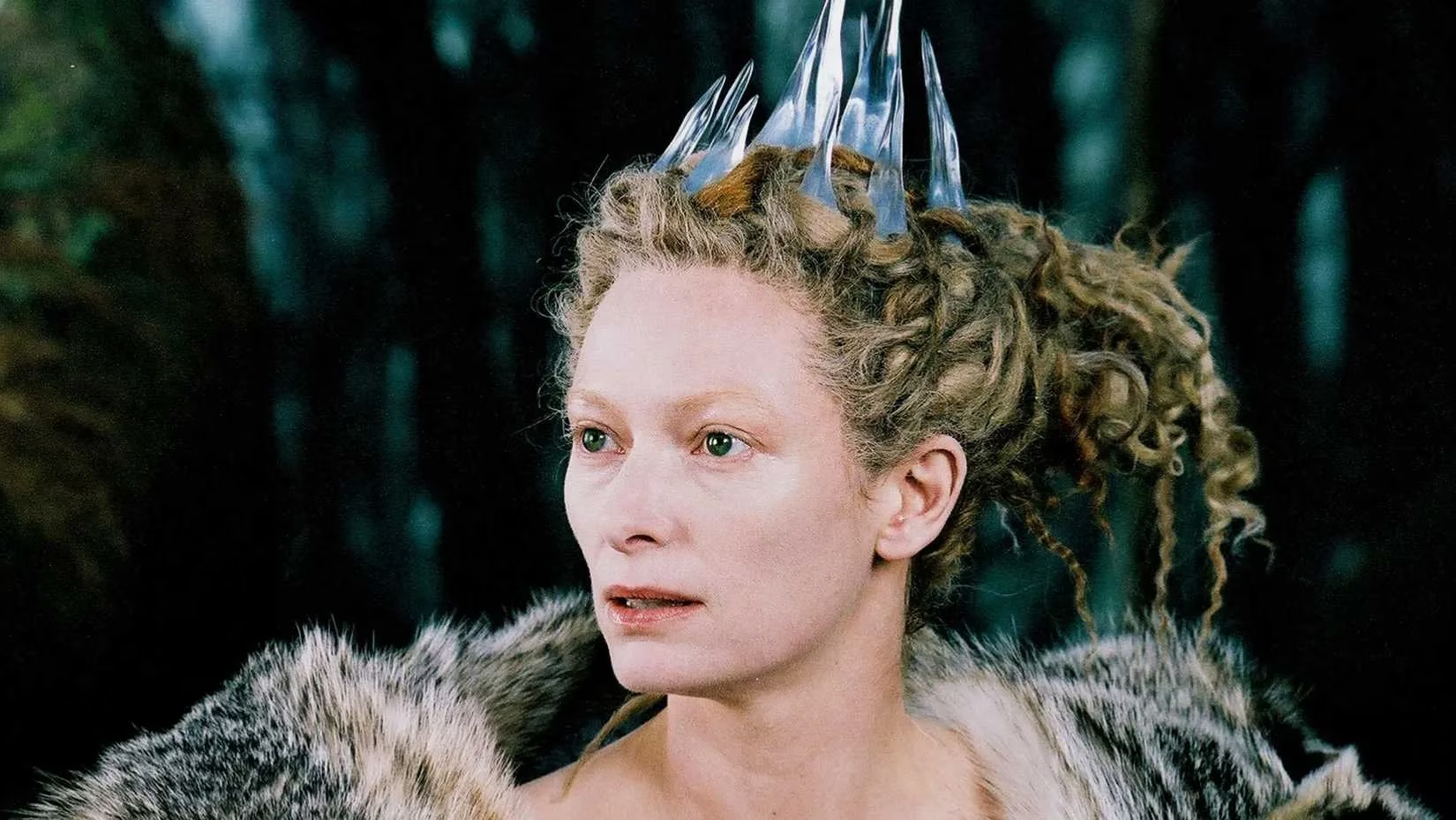
Greta Gerwig takes on C.S. Lewis’s magical wardrobe with The Chronicles of Narnia: The Magician’s Nephew, a Netflix‑backed reboot that begins at the very creation of Narnia. Emma Mackey embodies a young White Witch, while Meryl Streep reportedly lends her voice to Aslan. The supporting ensemble—Daniel Craig, Carey Mulligan, Denise Gough—hints at a deep, literary approach. Audiences will be able to witness the origins of the lamp‑post and the frozen waste on November 26, when the film enjoys a limited IMAX run before arriving on Netflix closer to the holidays.
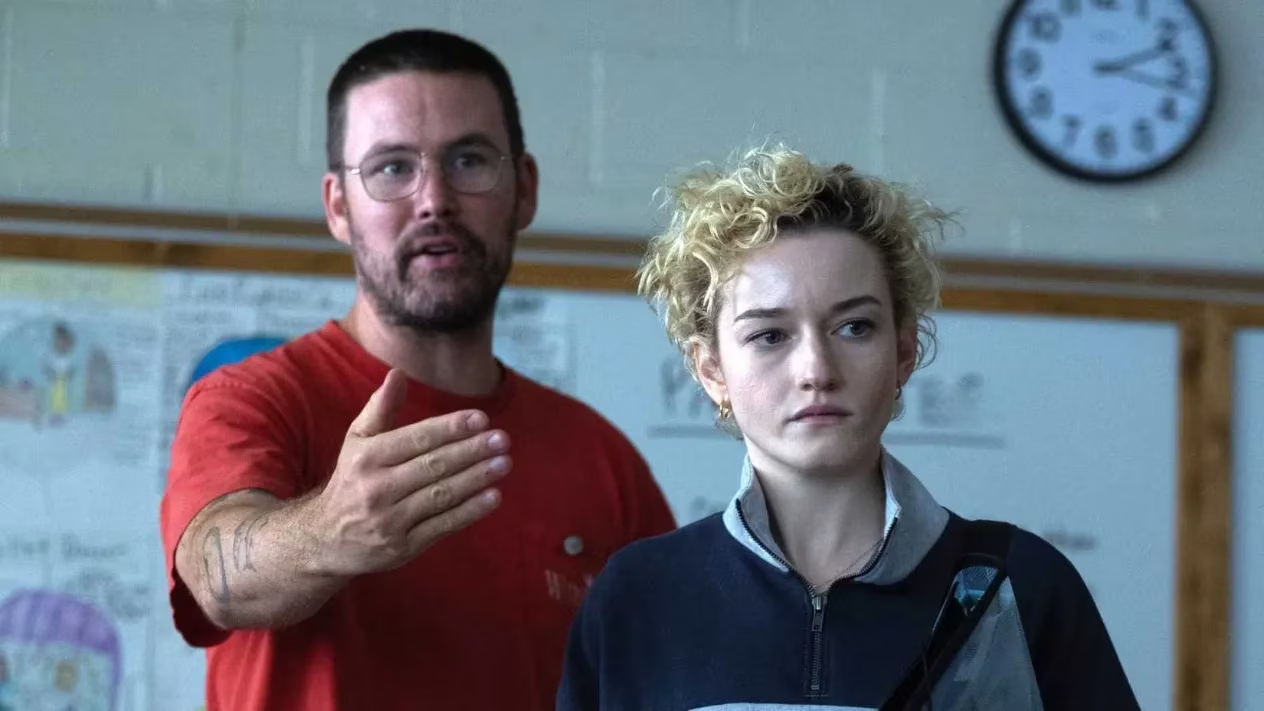
After the nerve‑shredding success of Barbarian and Weapons, Zach Cregger turns his attention to a cultural juggernaut with Resident Evil. Rather than retreading a specific game, Cregger constructs an original story set within the zombie‑infested universe, starring Austin Abrams and Paul Walter Hauser. The scale promises to dwarf anything he has attempted, blending his claustrophobic suspense with action‑driven set pieces. Sony releases the film on September 18, a strategic window that grants it tentpole status just as the autumn movie season begins to heat up.
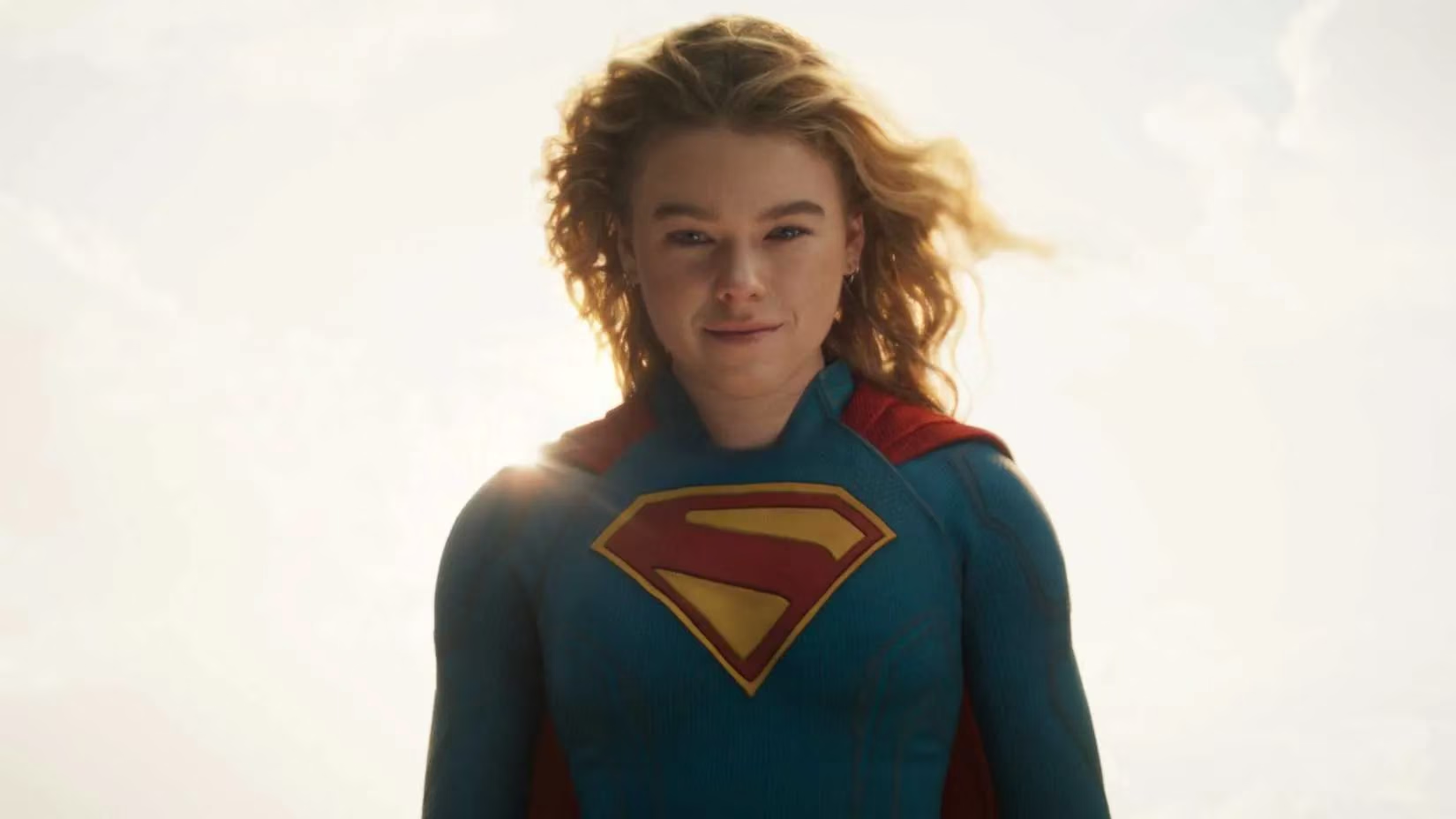
DC Studios rides the momentum of Superman straight into Supergirl. Craig Gillespie directs Milly Alcock as Kara Zor‑El, directly lifting from Tom King’s acclaimed comic \u201cSupergirl: Woman of Tomorrow.\u201d The space‑bound adventure picks up threads from the DC Universe’s first chapter, with Jason Momoa’s Lobo and a cameo by David Corenswet’s Superman enriching the tapestry. A June 26 release positions the film as a dazzling midsummer spectacle, one that aims to match the emotional heft and cosmic wonder that audiences have come to expect from the new DC era.
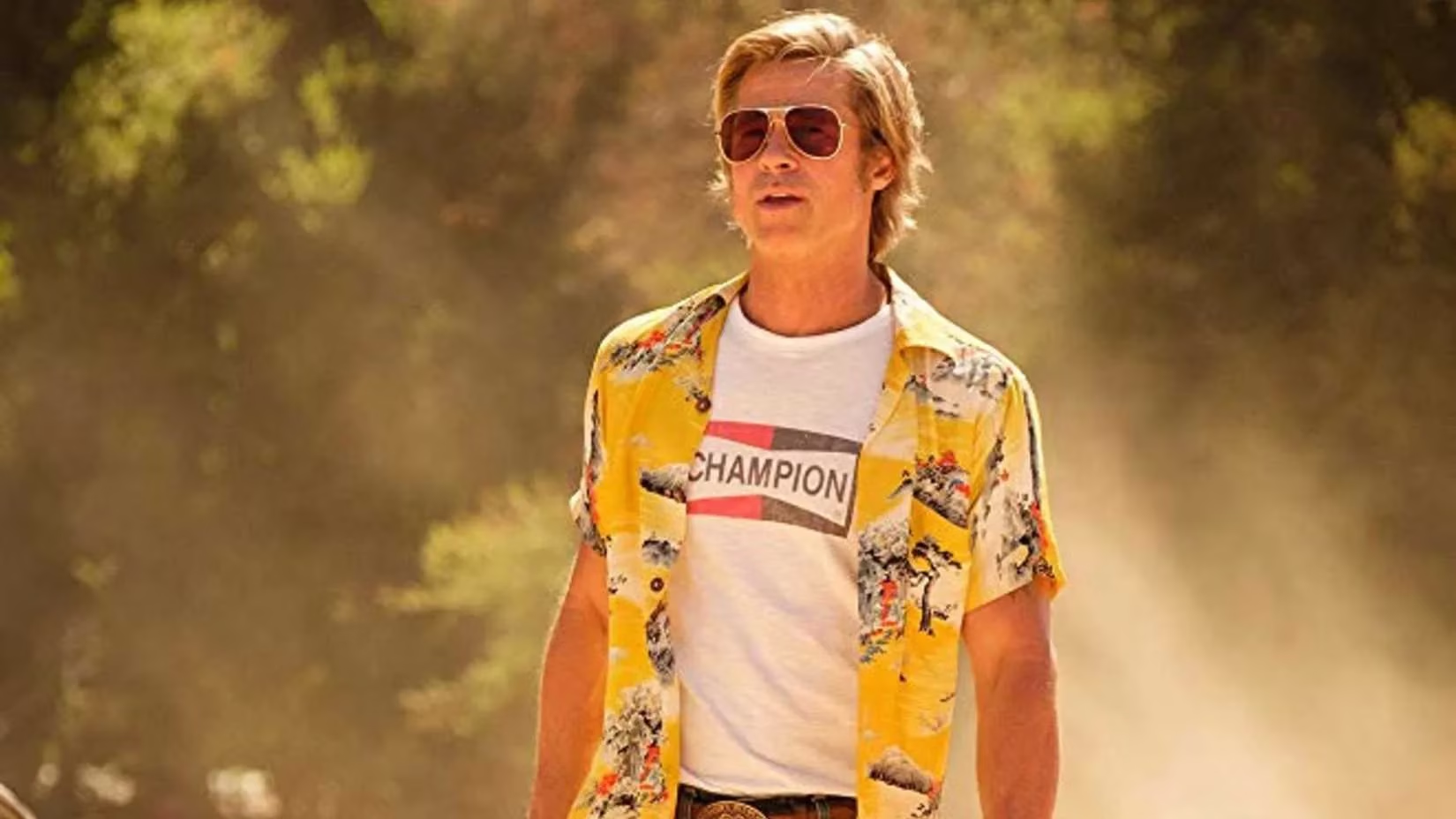
What was originally conceived as Quentin Tarantino’s swan song arrives in 2026 without him at the helm. David Fincher takes command of The Adventures of Cliff Booth, a spinoff that follows Brad Pitt’s Zen‑like stuntman from Once Upon a Time in Hollywood into a new, standalone chapter. The sprawling cast—Elizabeth Debicki, Scott Caan, Carla Gugino, Yahya Abdul‑Mateen II, Holt McCallany, and Timothy Olyphant—suggests a rich, interconnected narrative. Netflix has confirmed a 2026 release but has not yet set a specific date, leaving fans to speculate whether this will be a late‑year prestige offering or a surprise summer drop.
As these titles vividly demonstrate, 2026 is shaping up to be a year where the past and the future of cinema collide in spectacular fashion. Whether it is the long‑delayed reunion of fashion’s fiercest duo, a girl‑in‑a‑bloody‑gown sequel that redefines wedding jitters, or the resurrection of Narnia through Greta Gerwig’s imaginative lens, the slate overflows with stories that demand to be experienced on the largest screens possible. And with filmmakers like Shyamalan, Raimi, Fincher, and Cregger steering projects that balance personal vision with crowd‑pleasing instincts, the art of the big‑screen event feels more vital than ever.
Data referenced from Sensor Tower underscores why film studios keep leaning into recognizable IP and event-style releases—audience attention is increasingly driven by familiarity, sequel momentum, and cross-platform buzz. That same dynamic echoes through this 2026 slate, where legacy follow-ups (like The Devil Wears Prada 2), franchise reboots (Resident Evil), and universe expansions (The Mandalorian and Grogu) are positioned to convert built-in fan demand into opening-weekend urgency and sustained conversation.