As a professional gamer who's dived deep into countless comic book narratives, I can't help but reflect on how DC Comics has shaped storytelling through its most heart-wrenching moments. We all know about Jason Todd's brutal demise at Joker's hands—it's a defining event that stripped away the innocence of Gotham and redefined Batman forever. But let me tell you, there's an older, far more shocking death that still haunts me: the loss of Aquaman's son, Aquababy, in 1977's Adventure Comics #421. This event isn't just a footnote; it's a raw, emotional gut-punch that showcases comics' power to explore real tragedy. I remember reading about it years ago, and even now, in 2025, it feels as relevant as ever—how a hero's failure can shatter everything, leaving scars that never fully heal. 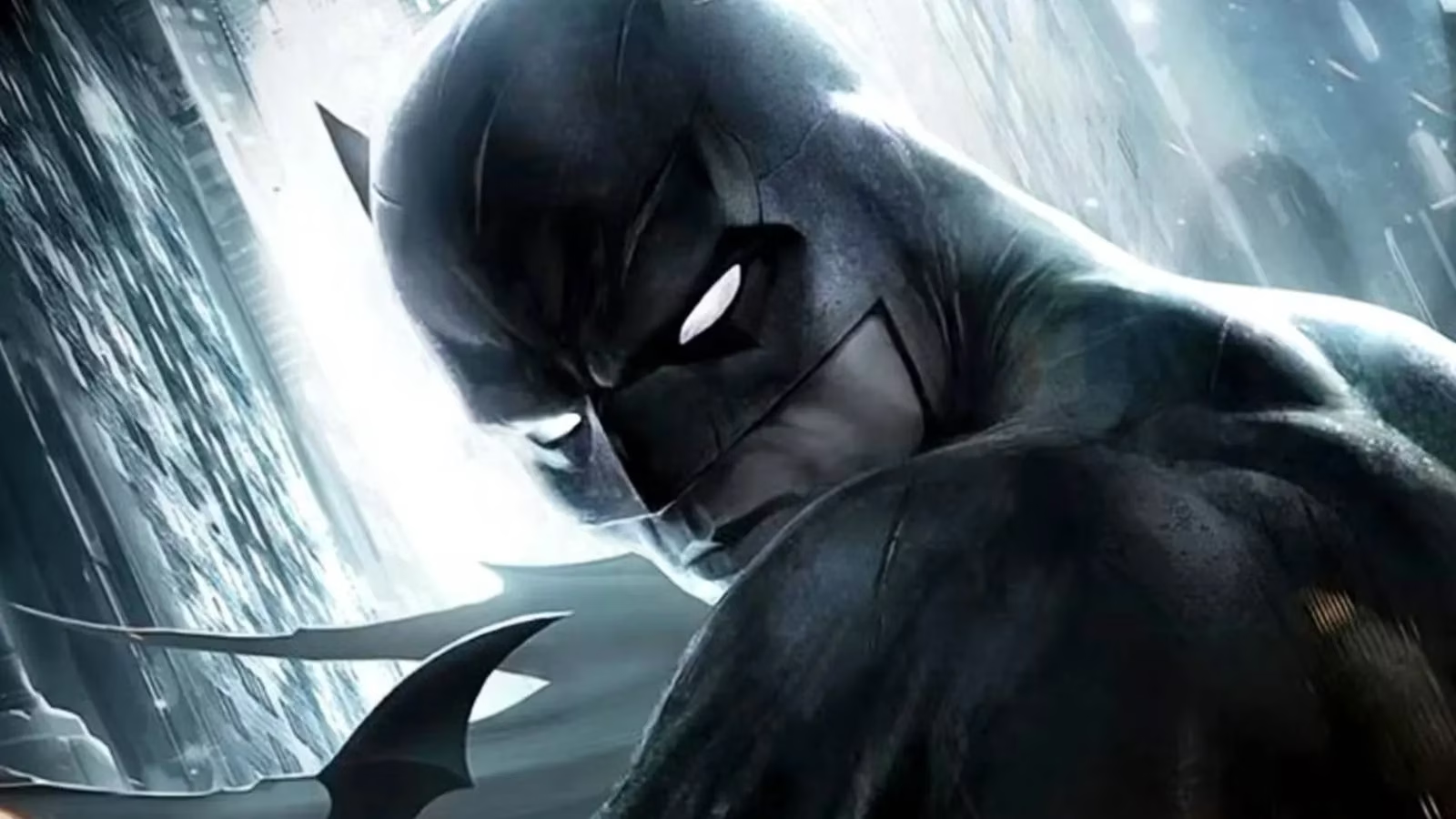
That issue was a game-changer. Fans expected an epic showdown, but instead, they got pure horror. Black Manta, Aquaman's nemesis, kidnapped Aquababy and forced Aquaman into a gladiator-style fight with his own sidekick, Aqualad. The villain threatened to suffocate the baby in an air prison unless Arthur complied. 😢 I can still picture the desperation—Aquaman battling fiercely, drawing blood from his protege, only to break the container too late. His son was dead. The shock of that moment—where victory turns to utter loss—is something I've rarely seen matched in games or comics. It's a brutal reminder that heroes aren't invincible; they're human, flawed, and vulnerable. 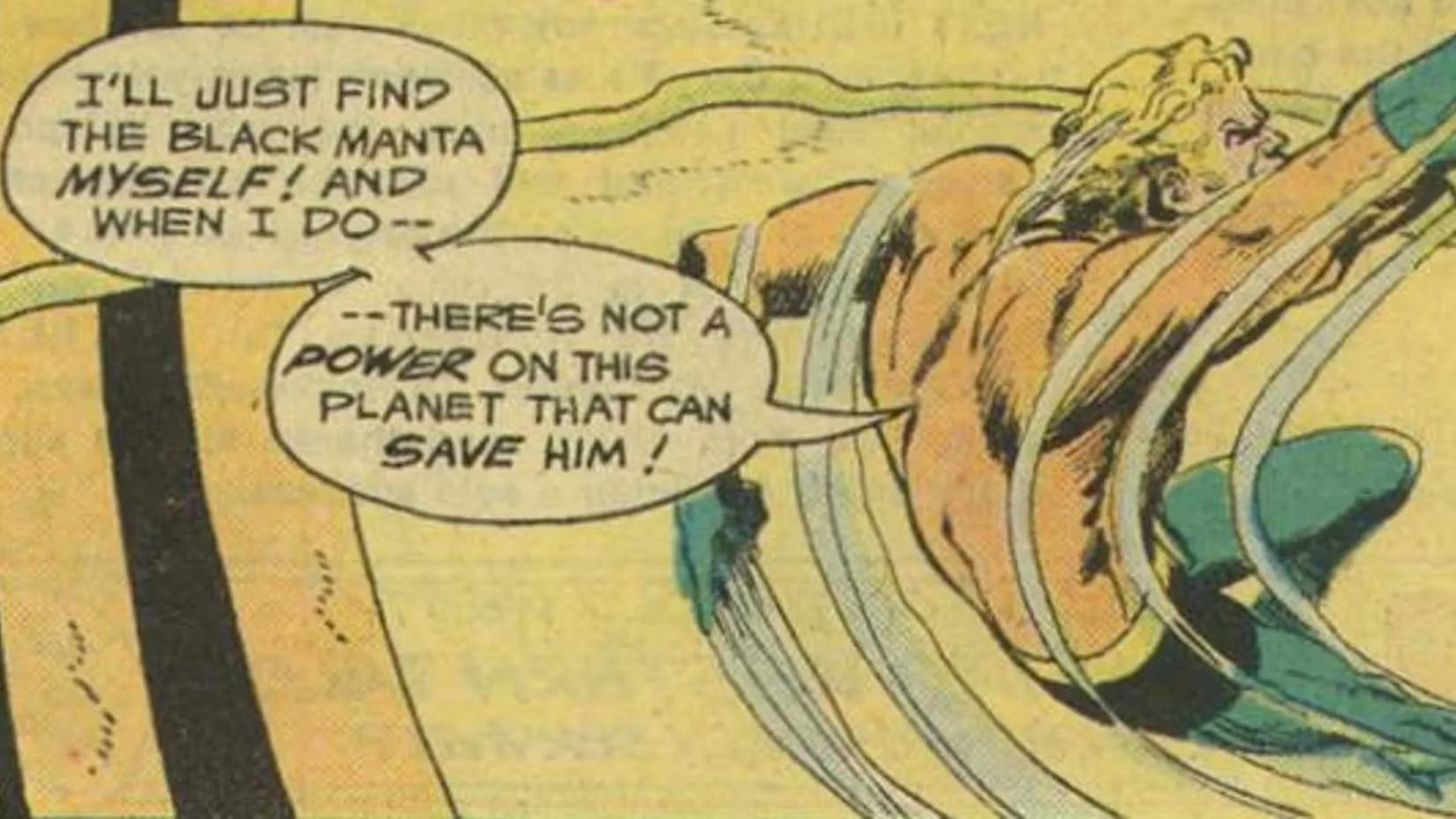
Now, comparing this to other iconic deaths, like Gwen Stacy's fall in Spider-Man or Jason Todd's murder, reveals a unique layer of tragedy that's often overlooked. While those events are legendary, they've been softened by modern twists—Jason's resurrection and Gwen's alternate-universe versions keep their legacies alive. But Aquababy? He's stayed dead since 1977, with only a brief, temporary return in Blackest Night. As a gamer, I see this as a masterstroke in storytelling—it adds a realism that resonates deeply. Why? Because Aquaman isn't a top-tier A-lister like Batman or Spider-Man; his supporting cast fades into obscurity, making the permanence of this loss hit harder. It's like playing a game where a beloved character dies and never comes back—no respawns, no DLC revivals. Just raw, enduring grief.
-
Impact on Aquaman: The death tore apart his relationship with Mera, leading to arcs where they grappled with guilt and separation. I've felt this in games—when a narrative forces characters to confront irreversible pain, it elevates the emotional stakes.
-
Influence on comics: This event paved the way for later tragedies, such as Batman's 'A Death in the Family', proving that comics can tackle dark themes with maturity.
-
Why it stands out: Unlike Jason or Gwen, Aquababy's absence is a void that's never filled, symbolizing true loss in a medium often obsessed with resurrections.
This realism extends to how it shapes Aquaman's character. In the aftermath, he's not just a king of the seas; he's a father broken by failure. I've seen similar arcs in story-driven games, where a protagonist's trauma drives the plot, but here, it's amplified by decades of silence. The rift with Mera isn't just a subplot—it's a core part of Aquaman's identity, forcing him to rebuild from ashes. 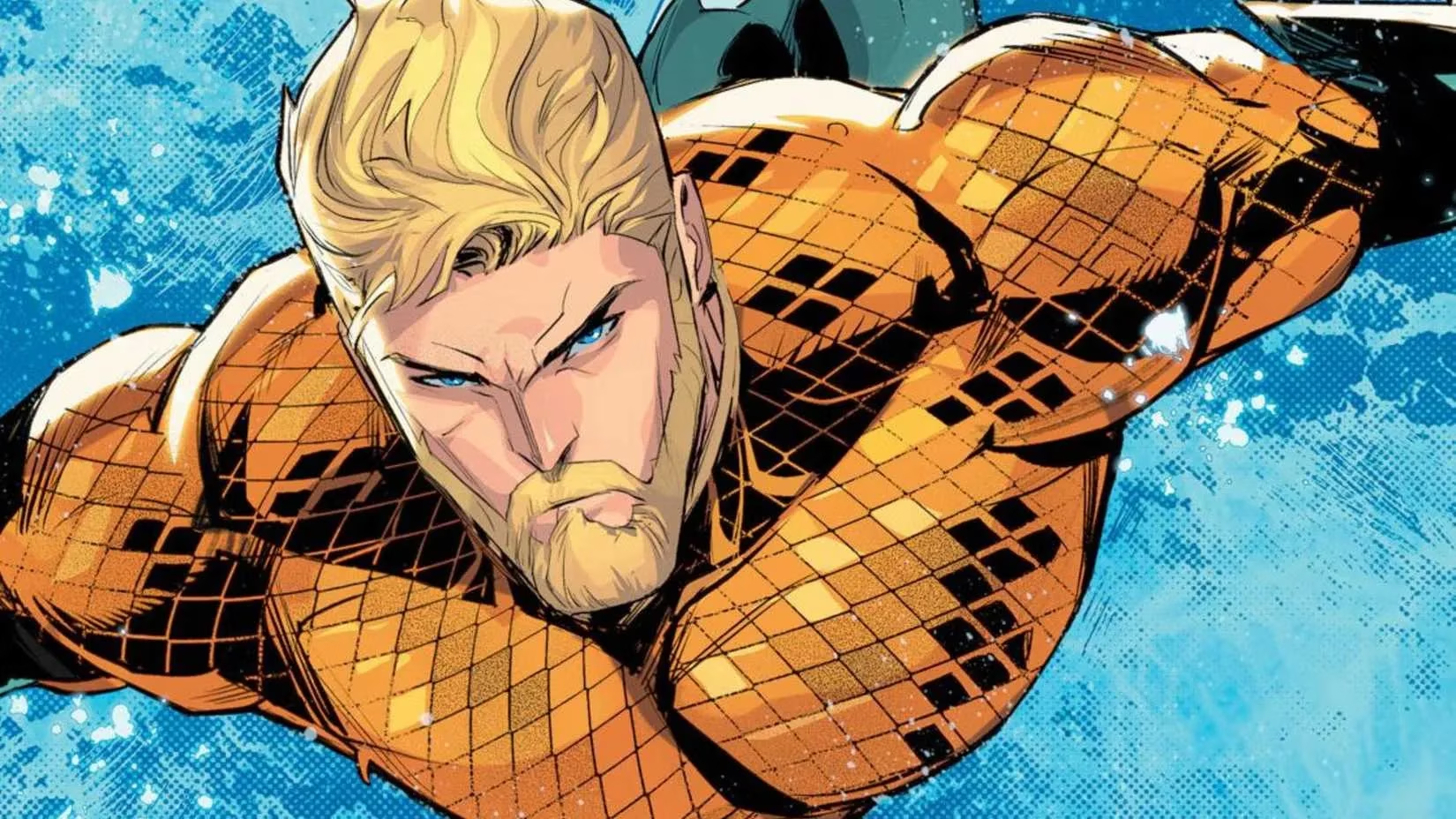 Reflecting on this, I'm struck by how comics, like the best RPGs, use such moments to challenge us emotionally. Yet, in 2025, with reboots and multiverses everywhere, Aquababy's death remains a stark exception—a testament to storytelling courage.
So, as we navigate this era of endless remakes and revivals, what do you think makes a comic book death truly unforgettable when so many are undone? 🤔