The flickering screen becomes a looking-glass, inviting viewers to step through the fragile barrier of what was into the haunting landscapes of what might have been. Alternate history television, that audacious genre, spins delicate threads from single moments - a bullet dodged, a battle lost, a choice unmade - then weaves entire tapestries of consequence where institutions crumble and identities transform under the weight of rewritten yesterdays. One feels the vertigo of shifting realities, the thrilling unease of walking through familiar streets made alien by the specter of authoritarian jackboots or gleaming retro-futuristic skylines. These stories cradle modern anxieties like grenades: the chokehold of surveillance, the festering wounds of colonialism, the insidious creep of injustice. Yet amidst the dystopian shadows, they plant flags of human resilience, daring us to imagine how courage blooms in cracked concrete, how love persists when history itself fractures. The genre's power lies not merely in spectacle but in its intimate whisper: here is the world that could have been yours, had the clock's hands trembled differently.
The Man in the High Castle: Occupied Mirrors
A chill wind blows through this nightmare America, partitioned between Imperial Japan's cherry-blossom tyranny and Nazi Germany's cold efficiency. Meticulously crafted storefronts display swastikas beside rising sun flags, a grotesque parody of 1960s Americana. One cannot help but feel the suffocating weight of propaganda posters staring from every corner, or the visceral terror in a whispered conversation. The series masterfully explores how ordinary souls bend and break under occupation - the baker who collaborates, the student who rebels, the mother who trades principles for her child's safety. Its genius lies in the mundane horror: the way sunlight falls identically on both a liberated 1963 and this conquered one, making the divergence all the more devastating. 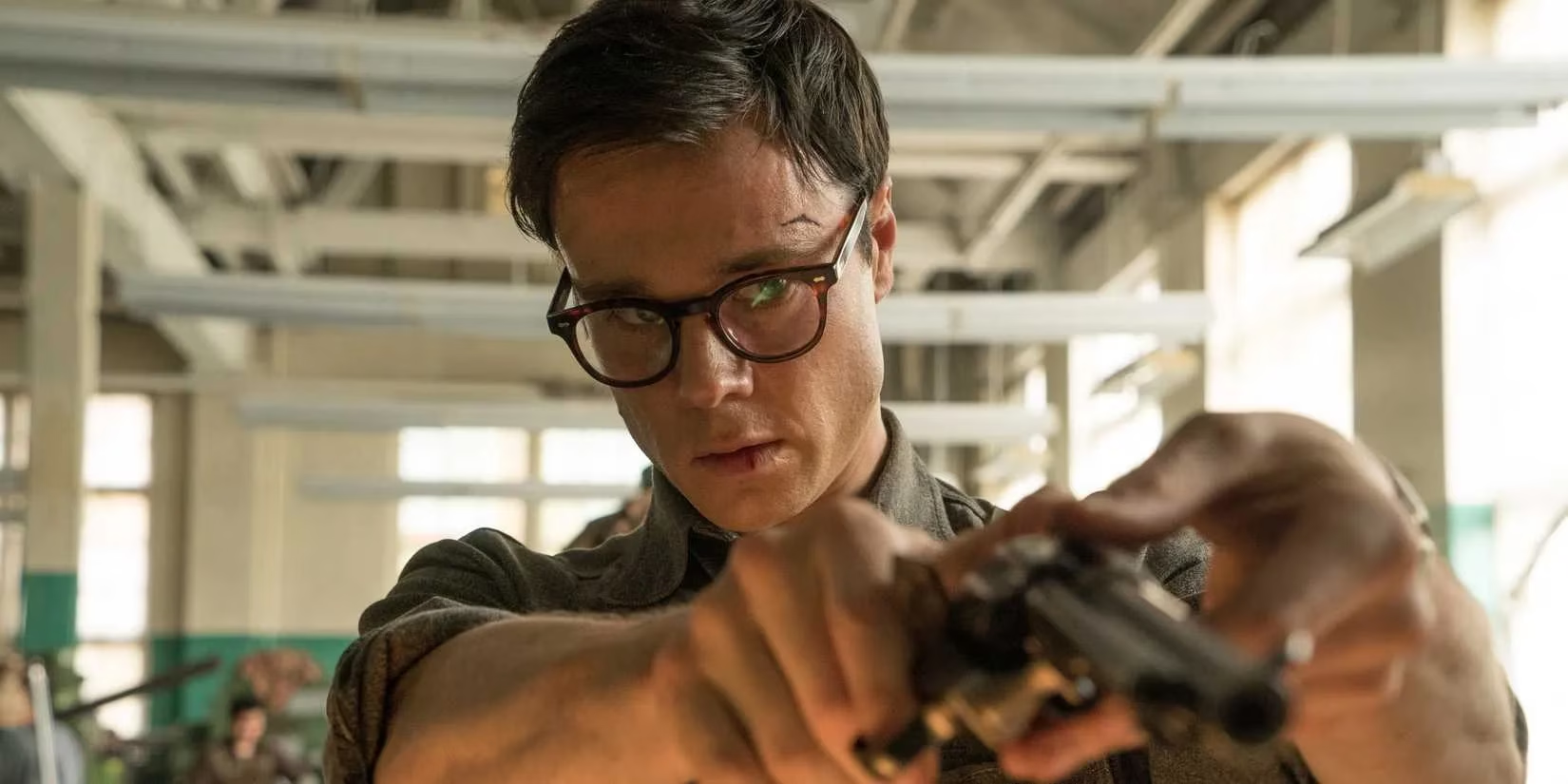
Hunters: Vengeance in Velvet Collars
New York's 1970s pulse beats to a darker rhythm in this stylish, morally murky odyssey where Nazi hunters stalk hidden war criminals plotting a Fourth Reich from American suburbs. The series thrums with righteous fury and unsettling ambiguity - one feels the electric crackle of vigilante justice alongside the queasy realization that monsters wear cardigans and host bridge clubs. Its hyper-saturated colors clash violently with the grayscale horrors of flashbacks, creating a dissonance that mirrors the characters' torn psyches. What lingers isn't just the action, but the quiet moments: a survivor's trembling hands, the way trauma etches itself onto architecture, the terrible cost of keeping memory alive. 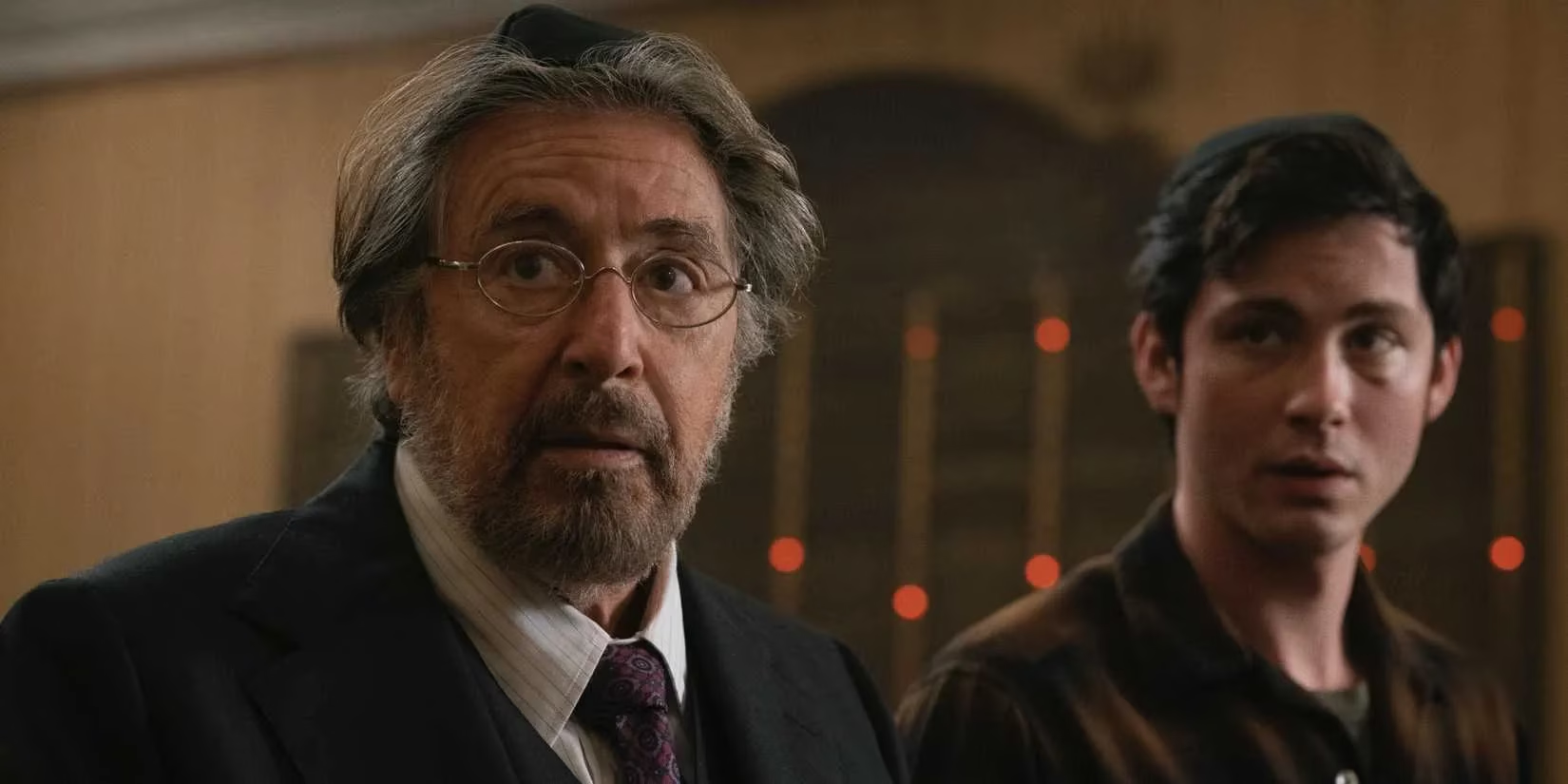
Hello Tomorrow!: Chrome-Plated Melancholy
Oh, the aching beauty of this pastel-hued tomorrow! Rocketships gleam under neon motel signs, robots serve martinis, and Billy Crudup's silver-tongued salesman peddles lunar timeshares with desperate charm. The show wraps profound loneliness in atomic-age optimism, making one nostalgic for a future that never was. Beneath the glossy veneer lies a devastating exploration of the American dream's hollow core - the way hope curdles into deception, how capitalism commodifies even the stars. Watching it feels like finding a vintage postcard promising jetpacks and utopia, then turning it over to see the scribbled mortgage default notice. The true brilliance? Making retro-futurism feel painfully, poignantly human. 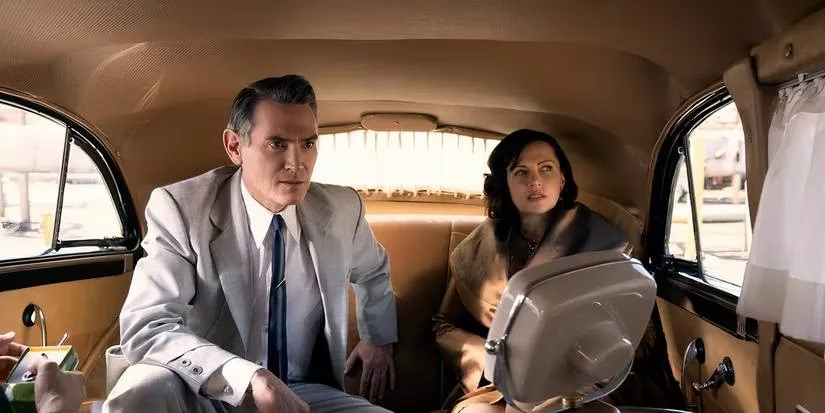
11.22.63: The Butterfly's Burden
James Franco's everyman teacher steps into 1960s Texas like a man walking into a minefield, armed only with textbooks and good intentions. The series captures the intoxicating smell of possibility - diner coffee, ink-stained fingers, Sadie Dunhill's smile - before revealing history's terrible weight. One viscerally feels the crushing responsibility: the sweat on his palms as the clock ticks toward Dallas, the dawning horror that saving Kennedy might unravel the world thread by thread. It’s a love letter to mid-century America written in trembling handwriting, asking whether destiny can be rewritten without destroying the scribe. 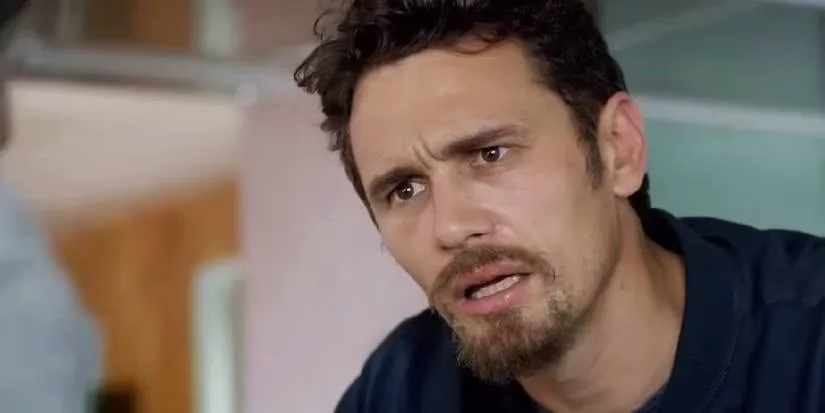
Paradise: Echoes in the Bunker
Hulu's 2025 masterpiece plunges us into claustrophobic brilliance - a subterranean society reeling from apocalypse where Sterling K. Brown's accused agent navigates vaulted corridors thick with paranoia. The air itself feels recycled, heavy with lies and the metallic tang of survival. One experiences the profound disorientation of history compressed: national trauma echoing in whispered conspiracies, the president's assassination reframed as a bunker murder mystery. Its power lies in the intimate scale of cataclysm - how the end of the world becomes the creak of a door in a fluorescent-lit hallway, how trust becomes the rarest currency in humanity's last vault. 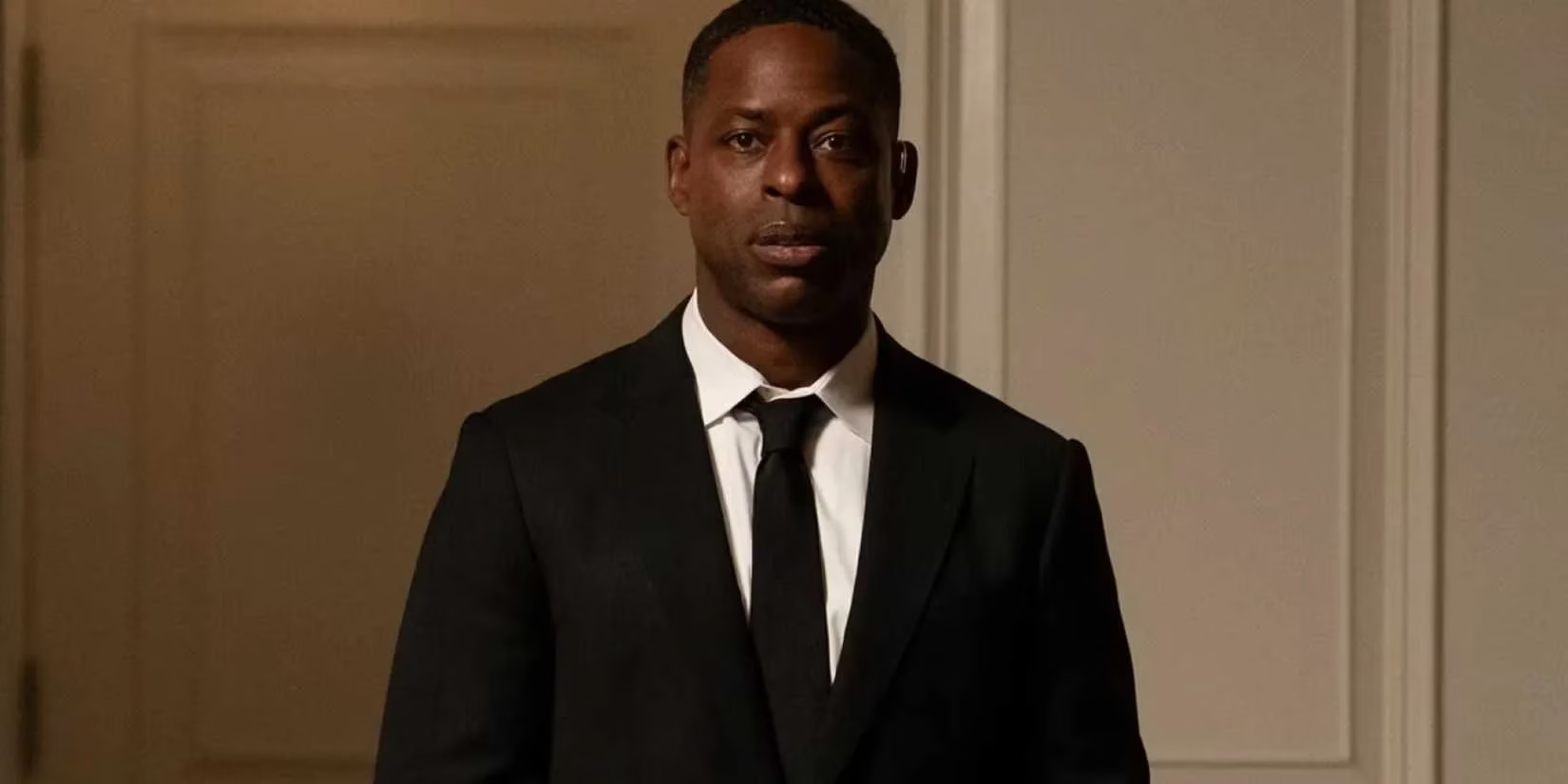
Fringe: Fractured Reflections
Parallel universes collide with heartbreaking intimacy in this genre-defying odyssey. Seeing Anna Torv's Olivia confront her doppelgänger isn't sci-fi spectacle - it’s an existential gut-punch. One feels the emotional physics: how a single choice splinters reality like struck crystal, how love stretches across dimensions only to snap back with devastating force. Walter Bishop's lab isn't just sets and props; it's a cathedral of longing where beakers hold tears and equations map regret. The show makes quantum entanglement achingly personal - when a character crosses between worlds, you cross with them, breath held, heart fractured. 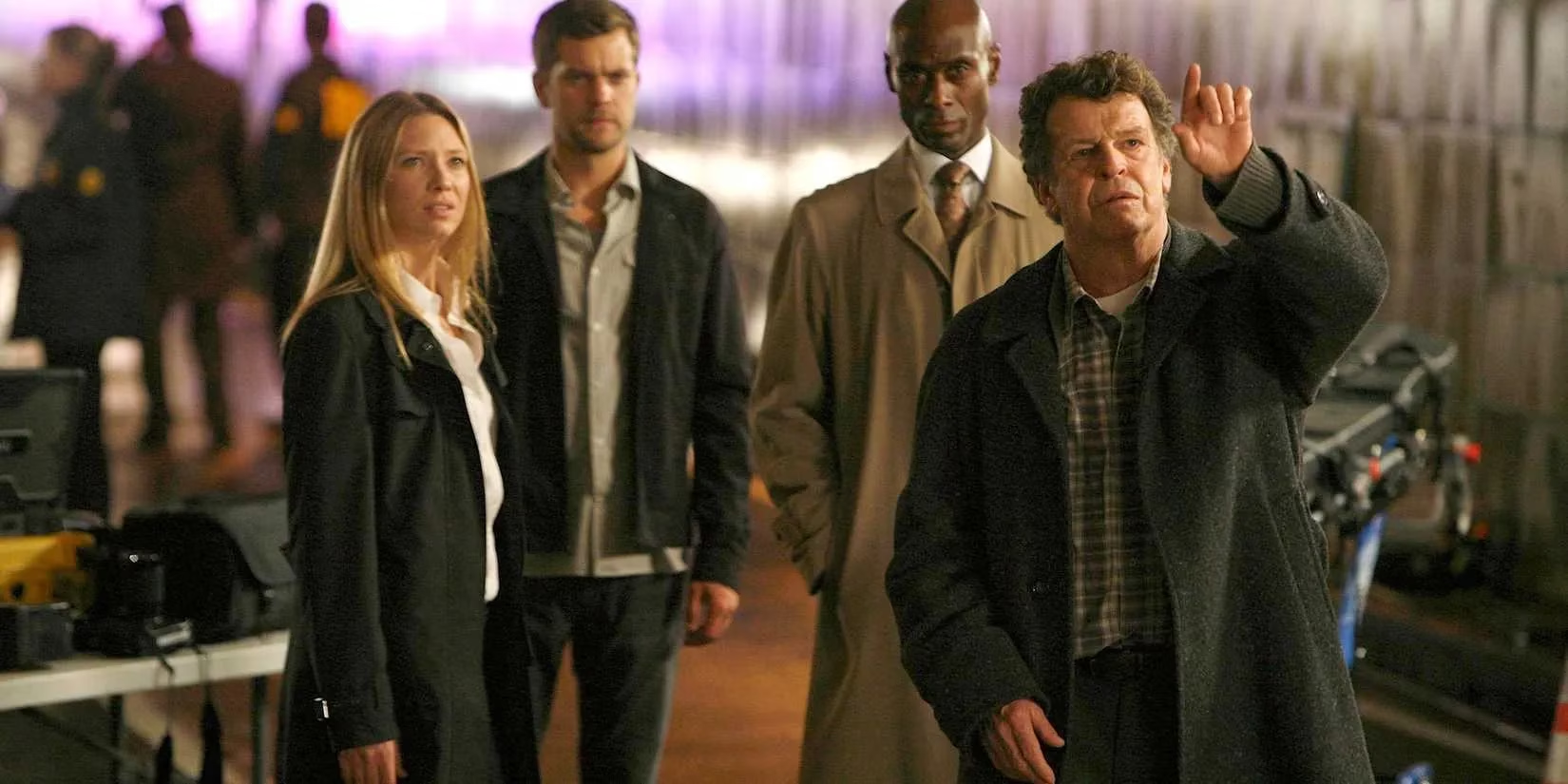
Watchmen: Ghosts in the Machine
Regina King's Sister Night doesn't just wear a mask - she wears the unresolved trauma of the 1921 Tulsa massacre, now foundational to this alternate America. The series pulses with righteous fury, making history's buried bones rattle beneath slick superhero aesthetics. One feels the weight of inherited pain in every frame, the way institutional rot seeps into even the most vibrant costumes. Its genius lies in weaponizing nostalgia - familiar comic book tropes twisted into indictments of systemic violence. Watching it is like staring into a funhouse mirror where American myths distort into terrifying, necessary truths. 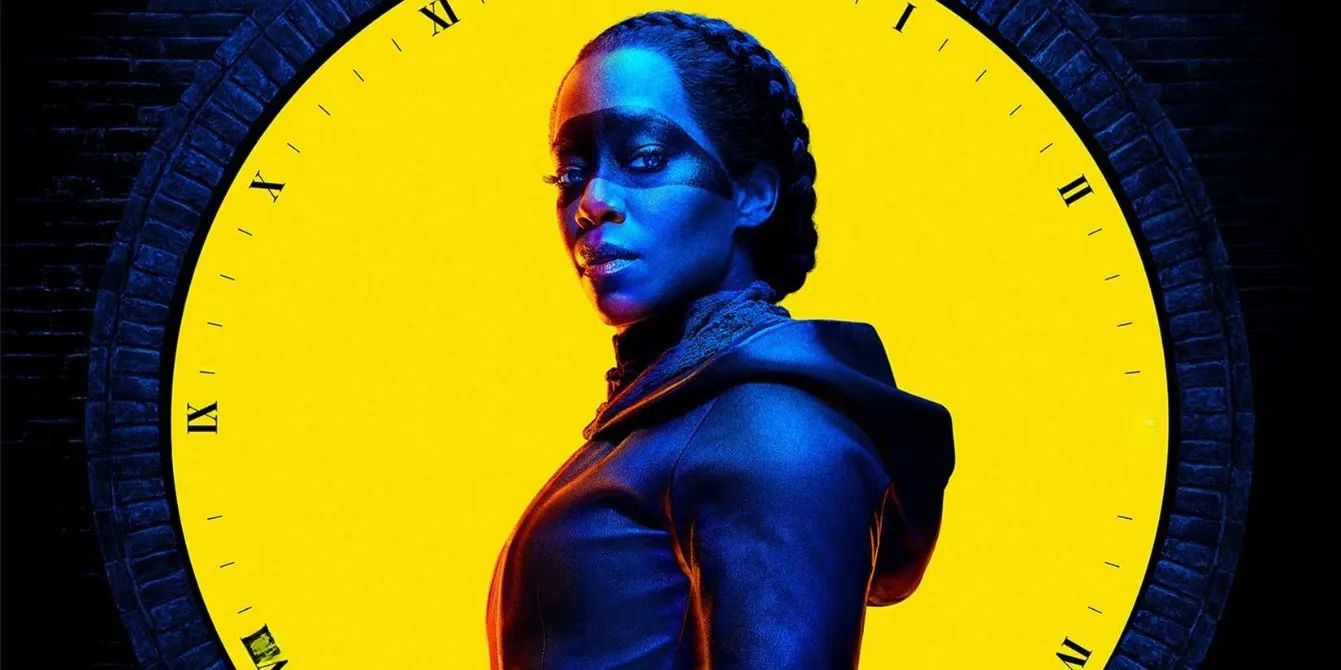
For All Mankind: Stardust and Sacrifice
When Soviet cosmonauts imprint the lunar dust first, Apple TV's epic doesn't just alter history - it reignites humanity's celestial ambitions with white-knuckle intensity. The series makes you feel the G-force of accelerated progress: colonies sprouting on the moon, women astronauts shattering ceilings, the electric crackle of Earth-Mars rivalry. There’s profound beauty in its domino-effect storytelling - how a single changed moment ripples through decades, transforming kitchen tables and geopolitical chessboards alike. One leaves each episode breathless, head tilted toward the night sky, half-expecting to see the glittering constellation of this braver, bolder world. 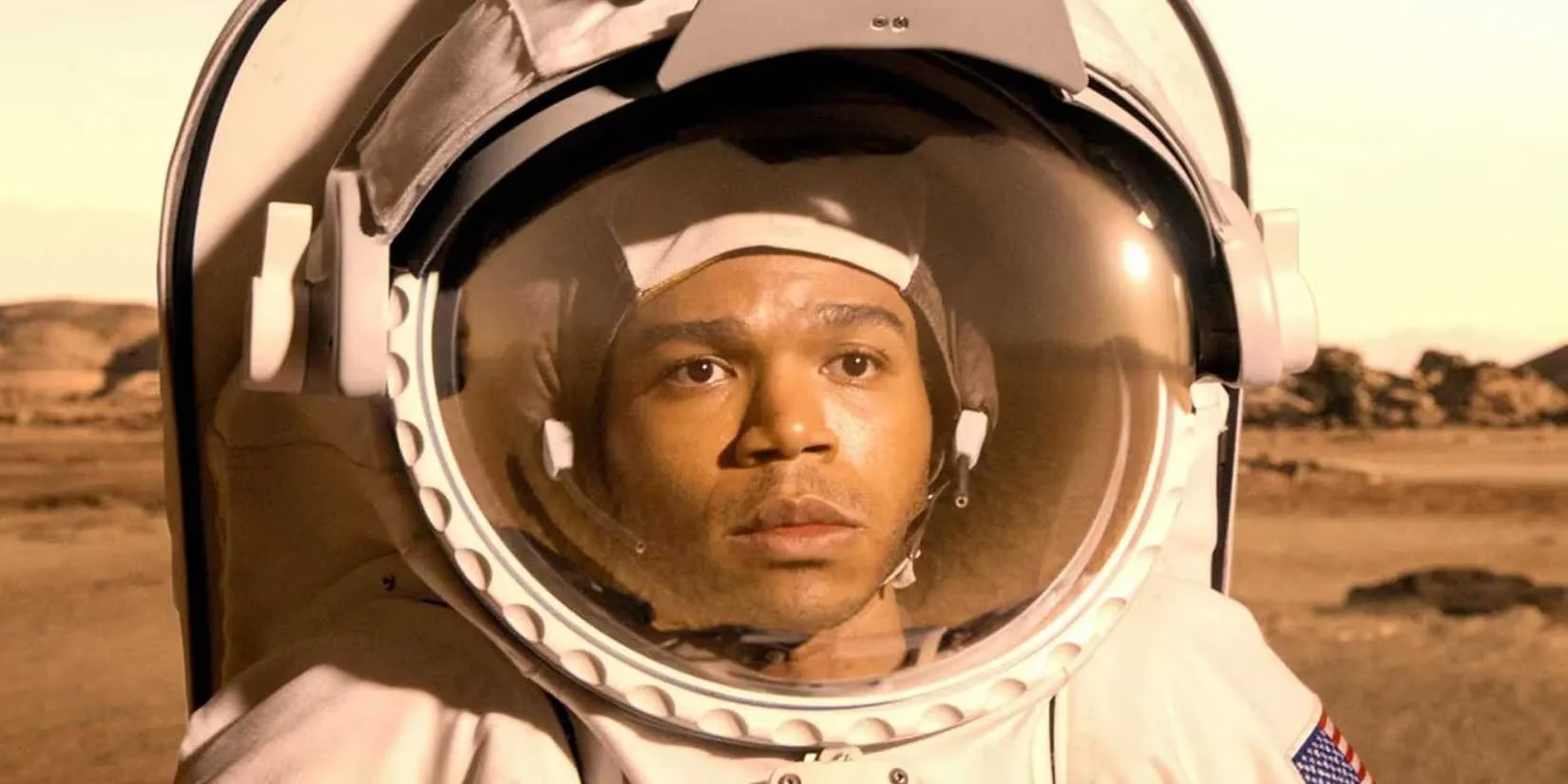
🔍 Frequently Asked Questions
❓ Why do alternate history stories resonate so deeply in 2025?
They hold a cracked mirror to our fractured present. When the world feels precarious, these narratives let us explore catastrophe from the safety of our screens, transforming anxiety into art while asking: how would I endure?
❓ Do these shows require extensive historical knowledge?
Not at all! Their magic lies in grounding the fantastical in emotional truths. You might not know the exact date of the Cuban Missile Crisis, but you'll feel the sweat on a commander's brow as the world trembles.
❓ How do creators maintain authenticity in imagined worlds?
Through obsessive detail - the rust on a fascist-era lamppost, the static on a 1970s TV set, the specific click of retro-futuristic heels on linoleum. These tactile touches make the unreal breathe.
❓ Can alternate history be hopeful?
Absolutely. Beneath the dystopias lies a defiant humanism. Shows like For All Mankind imagine not just worse paths, but better ones - reminding us that progress, though fragile, remains possible.
❓ Why focus on pivotal historical moments?
They act as pressure points. By changing one event - JFK's assassination, the moon landing, WWII's outcome - storytellers reveal how history balances on knife-edges, making our own moment feel both precarious and powerful.