The god of thunder is done joking around. After years of tonal experimentation that saw Chris Hemsworth’s Thor morph from Shakespearean prince to cosmic stand-up comic, the first footage from Avengers: Doomsday confirms a dramatic course correction. Marvel Studios appears to have listened—not just to fans, but to Hemsworth himself—and the result is a Thor who looks and feels more aligned with the desperate, grieving warrior of Avengers: Infinity War than the punchline-hungry hero of Thor: Love and Thunder.
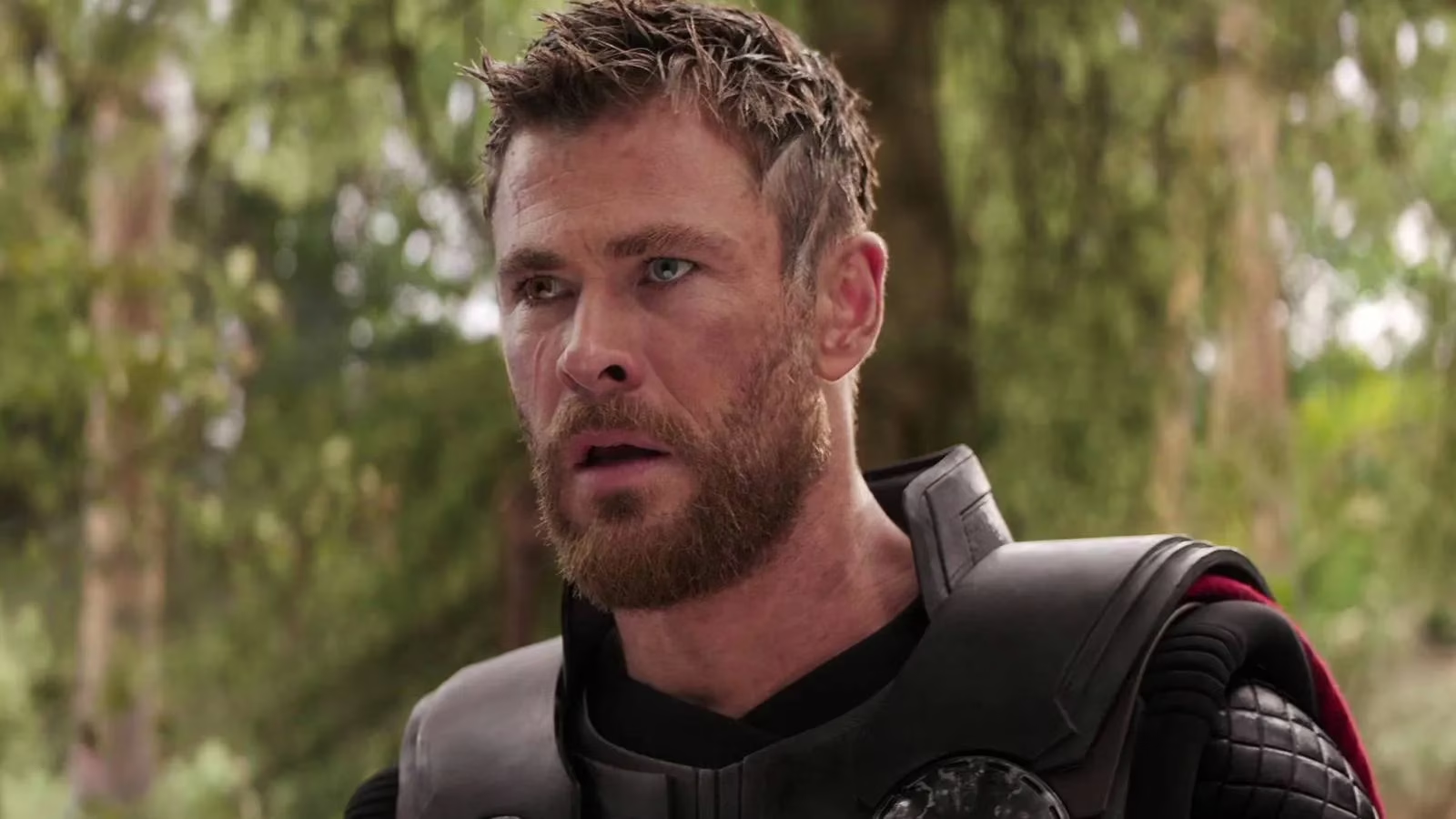
The freshly released teaser trailer, which runs just under ninety seconds, wastes no time setting a new emotional register. In it, a visibly strained Thor is seen pleading with his father Odin for protection in the battles to come. The tone is raw and reverent, a far cry from the screaming goats and jealous axe gags that defined his most recent solo outing. This is a god on his knees, not a god delivering one-liners. Could this be the most serious version of Thor the Marvel Cinematic Universe has ever put to screen? Based on early indications, the answer is a resounding yes.
Why the sudden pivot? Part of the explanation lies in the hands now guiding the character. Directors Anthony and Joe Russo, who previously shepherded Thor through his darkest hours in Infinity War and Endgame, are back at the helm for Doomsday. Their track record with Hemsworth’s character is formidable. In Infinity War, Thor lost his brother Loki, his best friend Heimdall, and his homeworld of Asgard in quick succession, yet the filmmakers resisted the urge to blunt that pain with excessive humor. Instead, they let Hemsworth channel genuine anguish, creating what many consider the definitive on-screen Thor. Even in Endgame, where Thor became tragically funny—overweight, disheveled, and drowning in regret—the anguish beneath the surface was unmistakable. The Russo brothers understand that Thor works best when comedy is a seasoning, not the whole meal.
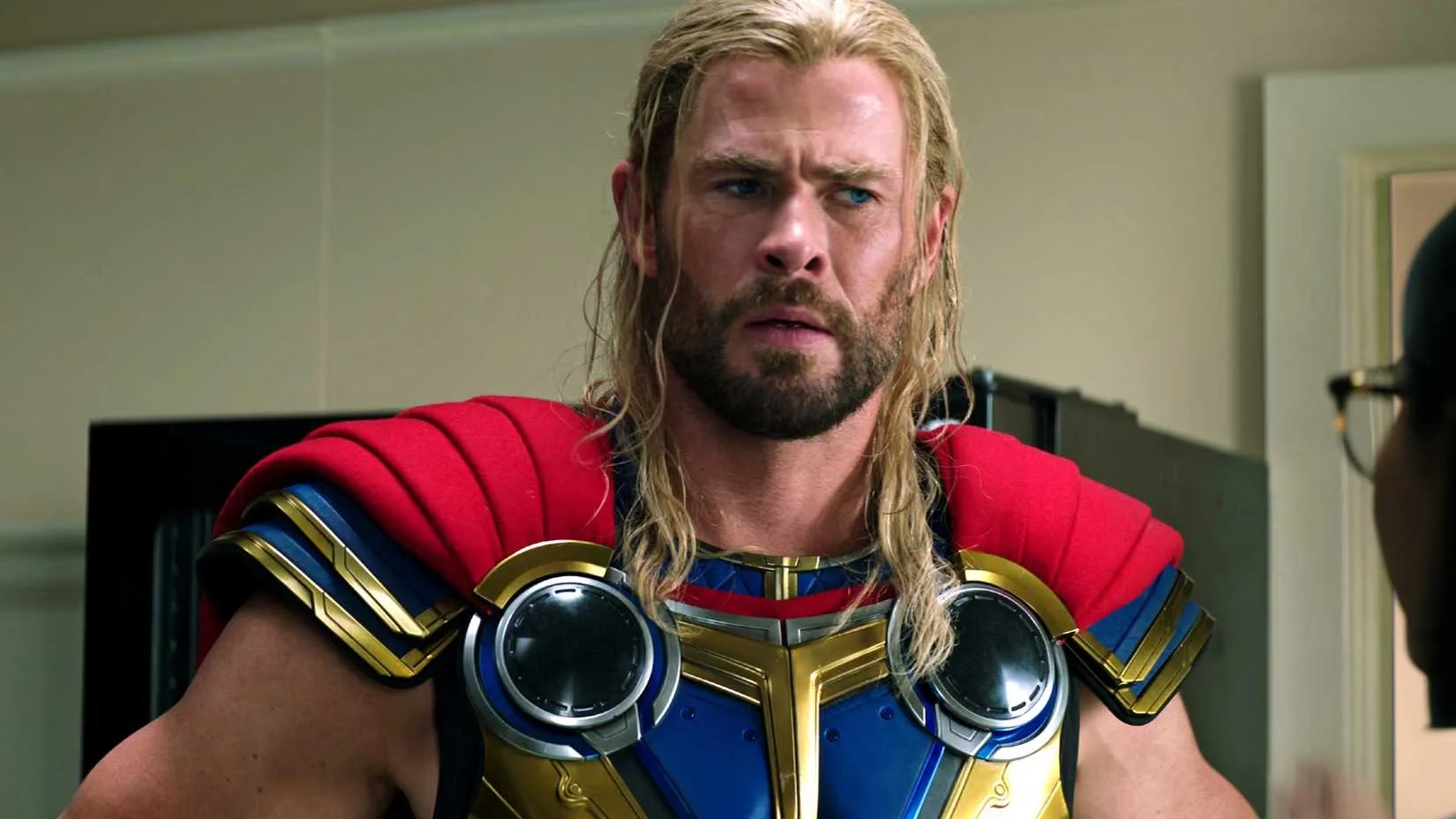
Contrast that with the Love and Thunder era. Director Taika Waititi injected much-needed levity into the franchise with Thor: Ragnarok in 2017, a gamble that paid off handsomely. But the 2022 sequel doubled down on absurdity to diminishing returns. Hemsworth himself publicly acknowledged that the balance had tipped too far. In various interviews following the film’s mixed reception, the actor expressed a desire for a tonal reset, hinting that any future Thor appearance would need to feel different. Avengers: Doomsday appears to grant that wish. The new trailer not only restores Thor’s more classic, battle-worn look—complete with a costume and weaponry reminiscent of the Infinity War period—but also retcons the character’s emotional state back to a place of serious stakes.
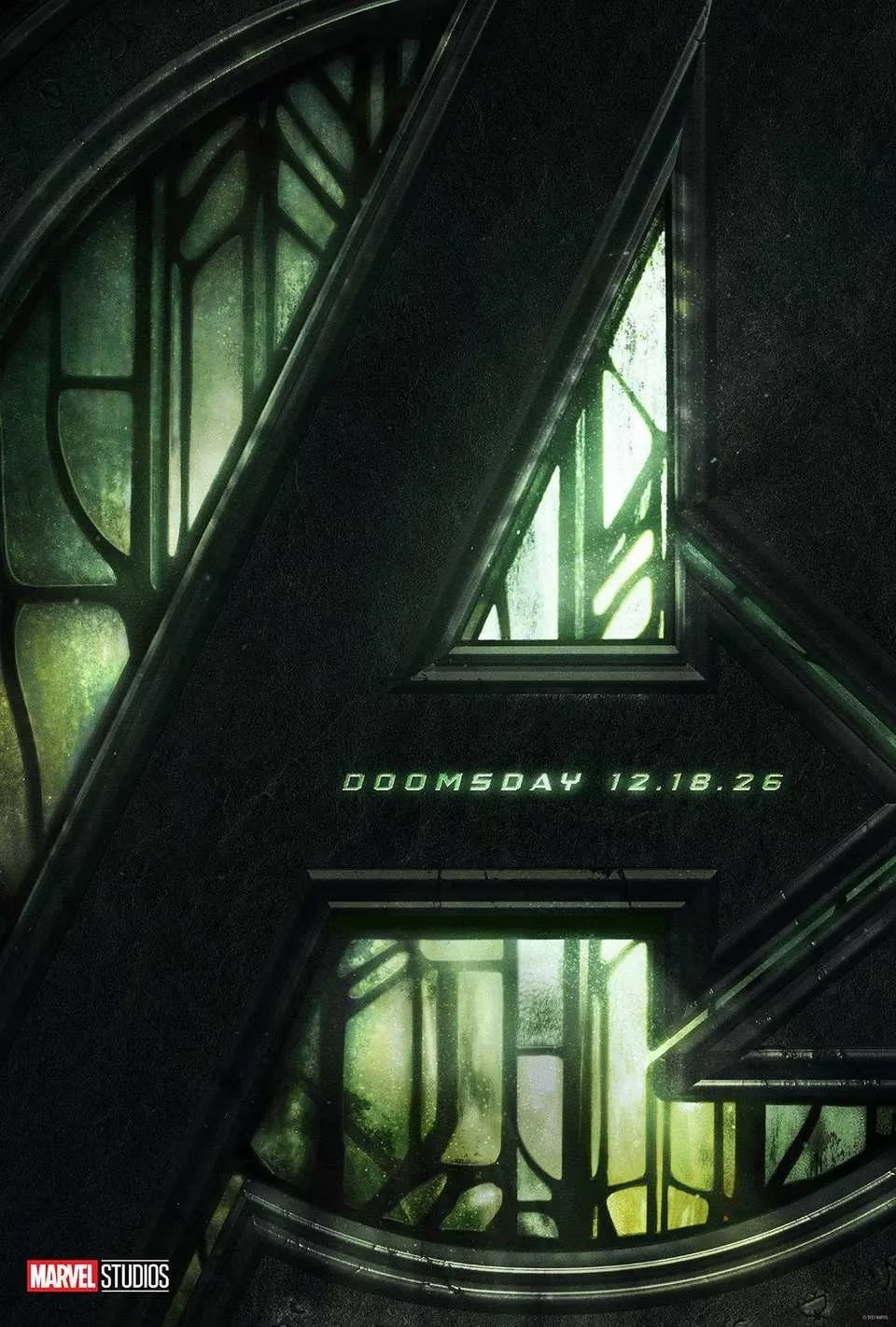
What does this mean for the storyline? Doomsday, scheduled to hit theaters on December 18, 2026, will plunge the MCU into a multiversal conflict of unprecedented scale. The end of Loki’s second season left the fabric of reality dangerously unstable, and Earth’s mightiest heroes are set to face threats that make Thanos look like a minor skirmish. In such a high-stakes environment, a constantly quipping Thor would feel jarring. The trailer’s pleading tone suggests that Thor may once again find himself bearing immense loss or guilt—perhaps tied to the fate of the multiverse itself. Imagine him grappling with the potential sacrifice of another loved one, or the crushing weight of failing to protect entire timelines. That kind of emotional terrain demands the gravity Hemsworth can deliver so powerfully when given the chance.
Does this mean every laugh will be banished from the Asgardian’s vocabulary? Almost certainly not. Chris Hemsworth’s impeccable comedic timing is one of his greatest assets, and the Russo brothers deployed it with masterful restraint in Infinity War. Recall his deadpan “all words are made up” exchange with the Guardians of the Galaxy—it blended seamlessly into a film that was otherwise a relentless tragedy. Expect similar moments in Doomsday. The humor will serve the tension rather than undercut it, reminding audiences that Thor can be both a god and a relatable figure without becoming a caricature.
The shift also signals a broader listening strategy at Marvel Studios. Following Love and Thunder, fan discourse repeatedly flagged Thor’s comedic overload as a key weakness. Hemsworth’s own candid comments only amplified the call for change. By steering the hero back toward his Infinity War characterization, Kevin Feige and the Russo brothers demonstrate that they can correct course mid-saga. With actors like Vanessa Kirby as Sue Storm and Joseph Quinn as Johnny Storm joining the fray, Doomsday promises to balance its ever-expanding roster. A sober, focused Thor provides an anchor of gravitas around which newer characters can orbit.
Of course, risks remain. Some viewers embraced the goofier Thor and may find a severe regression jarring. Yet the MCU has always thrived on evolution. The same fan base that cheered a comedic reinvention in Ragnarok later embraced a broken, vengeful Thor in Endgame. The key is narrative justification. If the multiversal crisis is as dire as the trailer implies, then a Thor stripped of bravado and forced to confront his deepest fears feels entirely earned. After all, what does a god do when he discovers that even divinity has limits?
The Russo brothers seem poised to ask that question. Less than two minutes of footage have already sparked intense debate among Marvel devotees, with many expressing relief on social media. The consensus: the Thor who once watched his people die, who forged a weapon in the heart of a dying star, and who failed to kill Thanos when it mattered most, is finally coming back. For fans who missed the layers beneath the lightning, Avengers: Doomsday might just deliver the most compelling Thor yet—one who understands that true strength isn’t hiding behind laughter, but finding hope in the face of despair.