As a longtime Marvel fan who's devoured both comics and movies, I've noticed something fascinating about how we process character deaths across different mediums. Remember that classic running gag? The one about Uncle Ben being the only Marvel character who actually stays dead? 🤔 It's painfully accurate for comics, but when it comes to the MCU... things feel different, don't they?
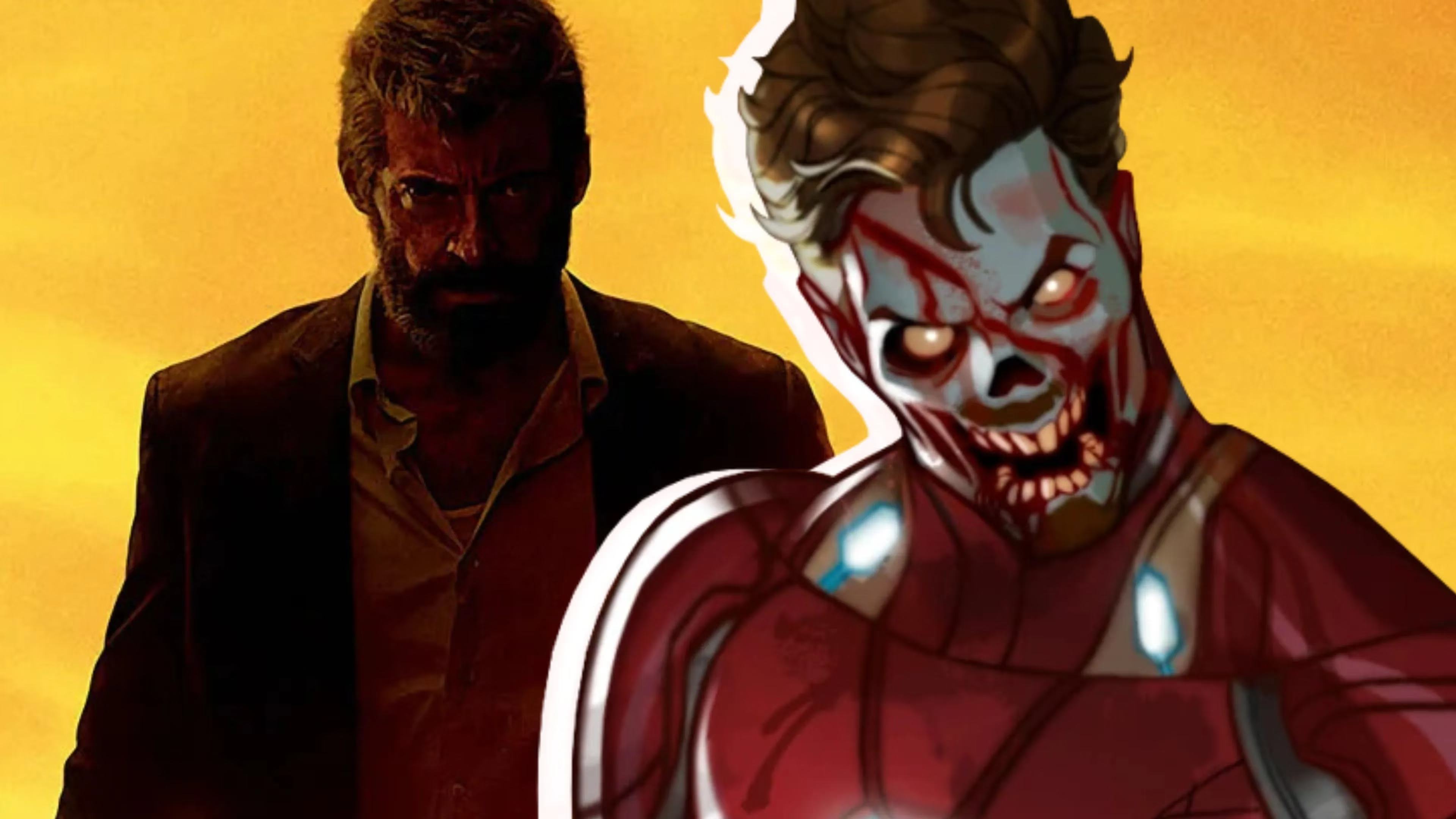
The Comic Book Resurrection Cycle 🌀
Let's be real - in Marvel comics, death is more like a temporary vacation than a permanent farewell. Think about it: how many times have we seen characters dramatically perish, only to return through some cosmic loophole or retconned storyline?
-
Popularity dictates resurrection: If a character sells comics, they're coming back
-
Dramatic exits become temporary: That emotional funeral scene? Probably not the last time you'll see them
-
Legacy continuation over permanence: Death becomes a plot device rather than an endpoint
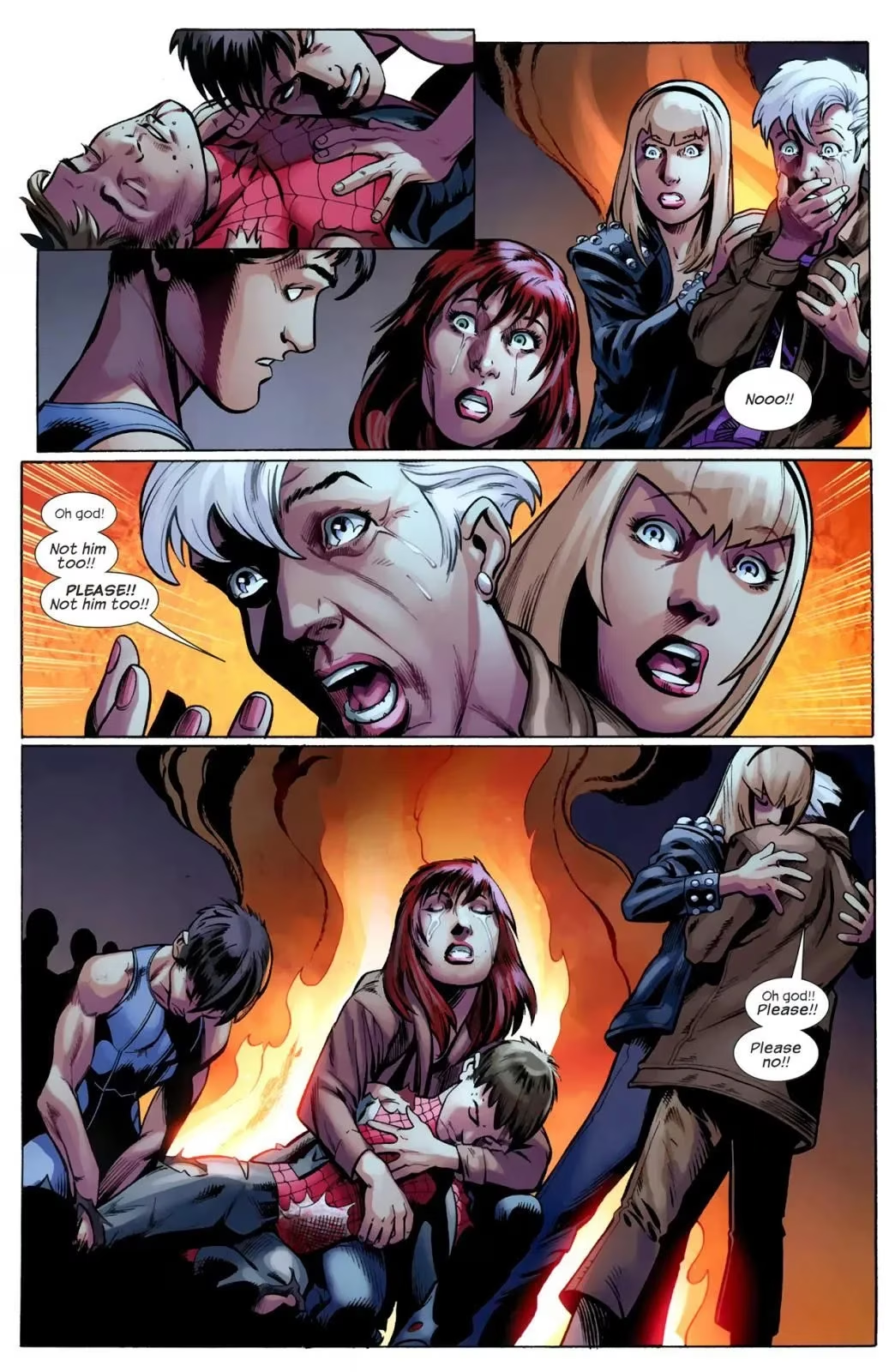
But here's the real question: Does this constant revival cheapen the emotional impact? When you know your favorite character will likely return, can their death ever truly feel meaningful? I've found myself becoming emotionally guarded during comic book deaths - always waiting for the inevitable return.
The MCU's Different Approach 🎬
Now contrast this with the Marvel Cinematic Universe. Sure, we've had our share of resurrections and fake-outs, but there's a noticeable restraint. The MCU seems to understand something crucial: permanence creates stakes.
Let me break down why MCU deaths hit differently:
1. Narrative Weight Matters
The MCU has been surprisingly careful with its most pivotal deaths. When a major character goes, there's usually:
-
A phenomenal narrative reason
-
Significant consequences for the universe
-
Time for the audience to grieve before any potential return
2. Actor Limitations vs. Character Legacy
This is where things get really interesting! In comics, artists can draw characters however they want, but in the MCU:
| Factor | Comics | MCU |
|---|---|---|
| Character Aging | Controlled by artists | Limited by actor aging |
| Recasting | Common between artists | Rare and noticeable |
| Continuity | Multiple versions exist | Single primary timeline |
The Real Stakes: Actors vs. Characters ⚖️
Here's something I've been thinking about: When an MCU character dies, we're not just losing a fictional persona - we're potentially saying goodbye to that actor's portrayal forever. This adds a layer of permanence that comics simply can't replicate.
Consider these examples:
-
Robert Downey Jr. as Tony Stark: His Endgame death felt final because we knew RDJ was moving on
-
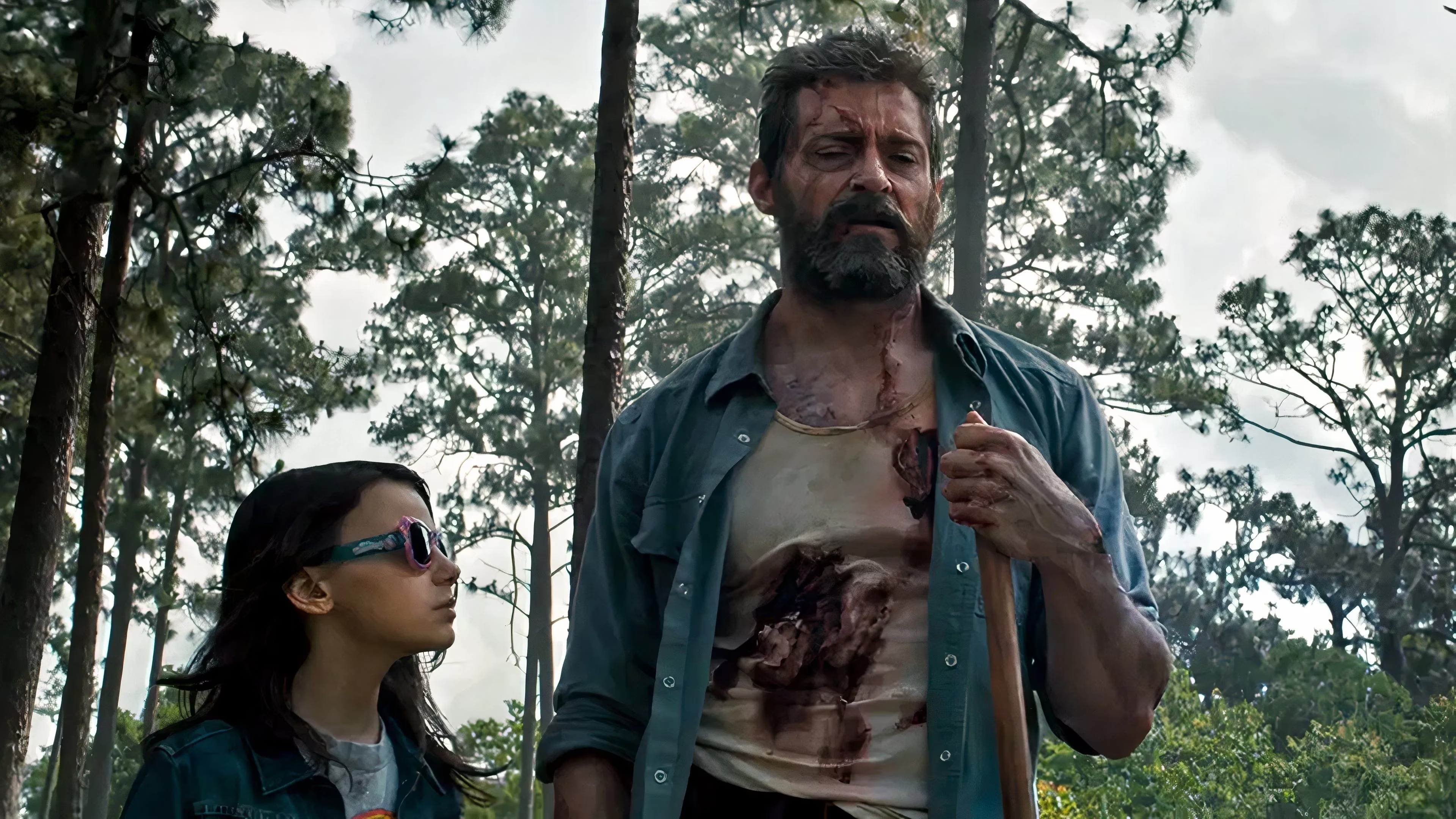
Hugh Jackman's Logan: That farewell hit hard because it marked the end of an era
-
Chadwick Boseman's T'Challa: The real-world tragedy made the fictional loss even more profound
But wait - what about multiversal variants and time travel? 🤨 Aren't those just comic book loopholes by another name?
The Multiverse Dilemma 🌌
Yes, the MCU has introduced its own resurrection mechanisms through the multiverse. However, there's a key difference: these returns are treated as narrative events, not routine occurrences.
When Hugh Jackman returns as Wolverine in Deadpool and Wolverine, it's:
-
A multiversal variant, not the same Logan who died
-
A massive event, not a casual revival
-
Something that requires explanation within the story
Why This Matters for Storytelling ✍️
As someone who analyzes narrative structures (both in games and movies), I've come to appreciate how the MCU's approach to death creates:
Emotional Investment
When deaths feel permanent, we invest more emotionally in characters. We know their time is limited, so every moment matters more.
Consequence-Driven Narratives
Actions have weight when characters can't just be brought back. This creates more compelling stakes in conflicts.
Character Development Through Loss
Other characters' reactions to permanent deaths drive their own development in meaningful ways.
The Time Factor ⏳
Here's something crucial to remember: The MCU is still young compared to Marvel Comics. While comics have had nearly 90 years to develop characters, the MCU's main continuity has only existed since 2008.
What does this mean for character deaths?
-
Less time for resurrection narratives to breathe: In comics, decades can pass between death and return
-
Actor contracts and aging: Real-world limitations force narrative decisions
-
Audience memory: We remember recent deaths more vividly
The Verdict: Quality Over Quantity 🏆
After comparing both mediums, I believe the MCU's approach to character deaths is ultimately more impactful because:
🔥 Fewer resurrections mean each one matters more
🔥 Actor commitments add real-world stakes
🔥 Narrative consequences have time to develop
🔥 Audience investment remains high
So next time you watch an MCU character's death scene, ask yourself: Would this hit as hard if I knew they'd be back in the next crossover event? For me, the answer is a resounding no.
The MCU has learned from comics' mistakes while adapting to its medium's unique constraints. And as we move further into the multiverse saga, maintaining this balance between meaningful deaths and narrative flexibility will be their greatest challenge - and potentially their greatest achievement.
What do you think? Have MCU deaths lost their impact over time, or do they still pack an emotional punch that comics can't match? Let me know your thoughts! 💬✨